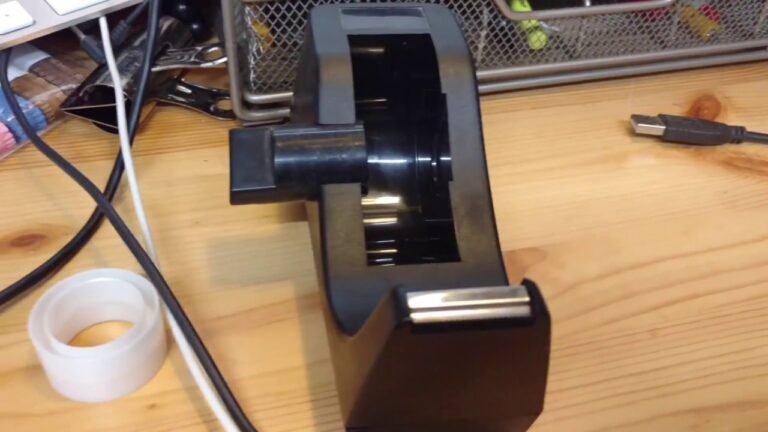
Yes, you can usually bring a tape dispenser on a plane, but the answer depends on the dispenser’s cutting edge. A small plastic tape dispenser with no exposed blade is generally suitable for a carry-on bag.
A dispenser with a sharp metal or serrated cutter may be stopped at the security checkpoint. To avoid losing it, pack a sharp-edged dispenser in checked baggage or take a blade-free model in your carry-on.
The Transportation Security Administration (TSA) makes the final decision at the checkpoint. TSA officers may refuse an item if they believe it could be used to cause harm, even when the item is not listed by name.
Can a tape dispenser go in a carry-on bag?
A tape dispenser can go in a carry-on bag when it has no dangerous exposed edge. The safest choice is a small plastic dispenser made for office or gift-wrap tape.
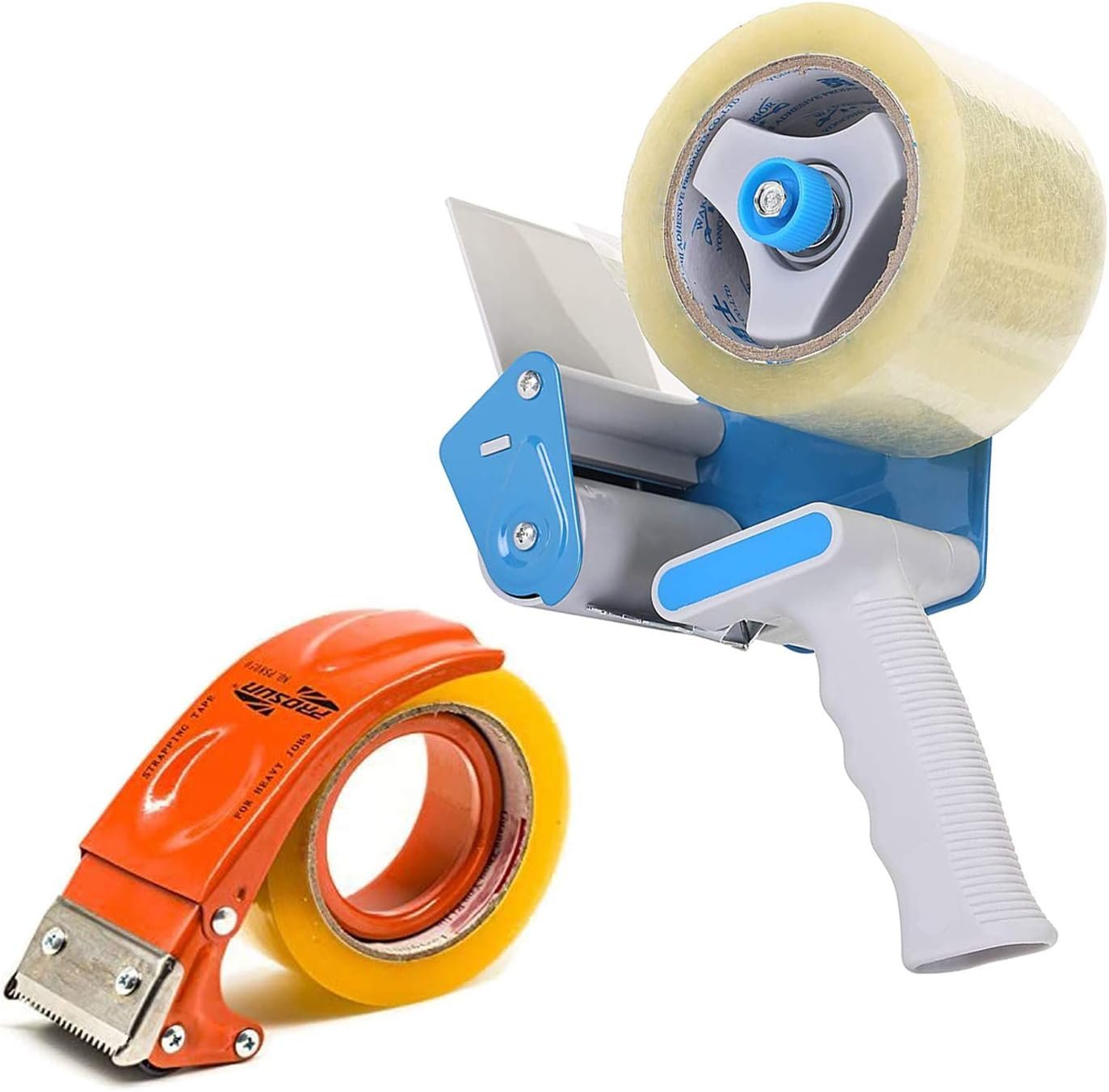
A dispenser with a built-in metal cutter is less certain. The cutter may have sharp teeth or a pointed edge. TSA may treat it as a sharp object, especially if it resembles a box cutter, packing gun, or other tool with a cutting blade.
Carry-on guide by dispenser type
| Tape dispenser type | Carry-on risk | Best packing choice |
|---|---|---|
| Small plastic office dispenser with no exposed blade | Low | Carry-on or checked bag |
| Plastic dispenser with a covered cutting edge | Low to moderate | Carry-on if firmly covered |
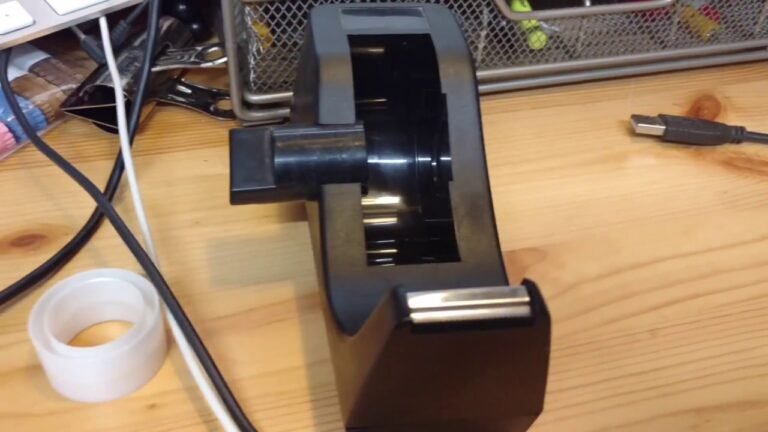
| Metal desk dispenser with serrated cutter | Moderate | Checked bag |
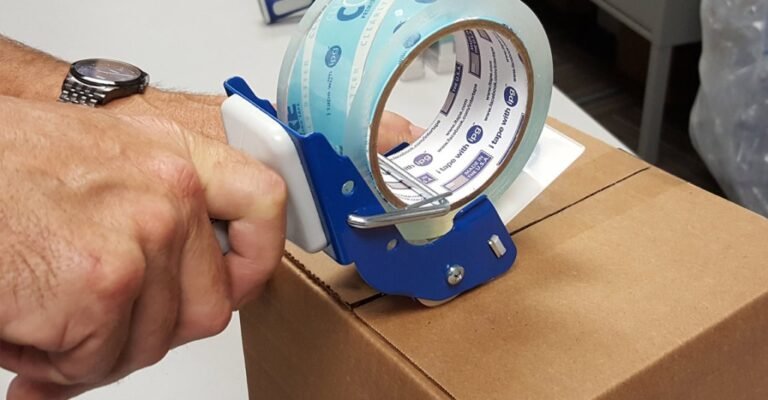
| Handheld packing-tape gun with exposed cutter | High | Checked bag |
| Tape dispenser with a replaceable blade | High | Checked bag; remove or protect the blade |
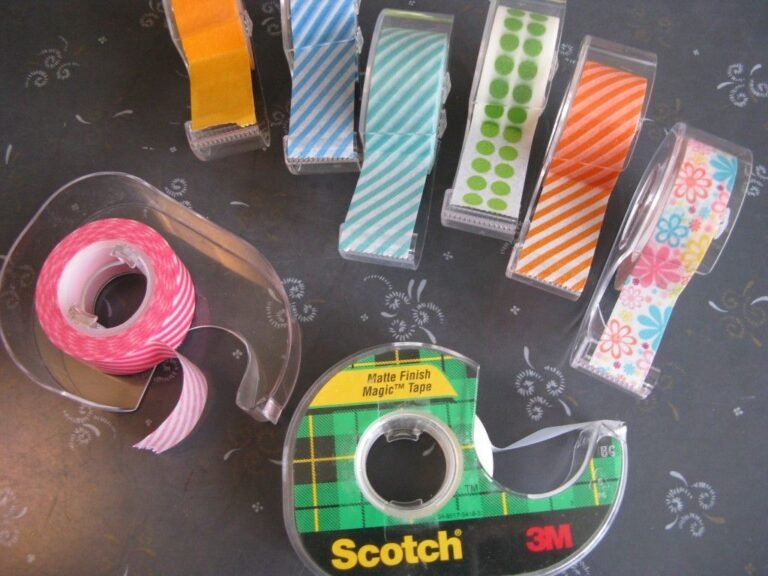
| Decorative tape roller with no blade | Low | Carry-on or checked bag |
| Tape roll without a dispenser | Very low | Carry-on or checked bag |
This table is a practical risk guide, not a guarantee of approval. TSA does not publish a special rule for every brand or style of tape dispenser.
Why the cutting edge matters
The tape itself is not the issue. The concern is the cutting part of the dispenser.
Many dispensers use a toothed metal strip to tear tape. Some packing-tape guns have a broad, exposed cutter that can be quite sharp. Although these tools are common in homes and offices, a security officer may view the edge as a sharp object.
TSA guidance says sharp objects should generally be placed in checked baggage. Some small items, such as certain scissors, may be allowed under specific limits. That does not mean every small blade is allowed. The shape, point, exposed edge, and overall design can affect the decision.
A tape dispenser may be more likely to pass when:
- The cutter is plastic rather than metal.
- The cutting edge is fully covered.
- The item is small and clearly designed for office use.
- The dispenser does not have a long, exposed blade.
- The dispenser is packed so it cannot open or injure someone.
A dispenser is more likely to be questioned when:
- It has sharp metal teeth.
- The cutter is exposed.
- It looks like a packing gun or utility tool.
- It has a replaceable blade.
- It is packed loose in an outside pocket.
- It is combined with other tools or sharp objects.

Can you bring a tape dispenser in checked luggage?
Yes. A tape dispenser is generally acceptable in checked baggage, including one with a metal or serrated cutter.
Pack the dispenser so the cutting edge cannot damage your luggage or injure a baggage worker. Cover the cutter with a firm cap, cardboard, thick tape, or another protective layer. Then place the item inside a pouch or wrapped bundle.
Do not rely on a thin plastic bag alone. A thin bag can tear if the cutter moves during handling.
Safe packing method
- Remove any loose blade or detachable cutter if the design allows it.
- Cover the sharp edge with cardboard or a blade guard.
- Secure the cover with tape or a rubber band.
- Place the dispenser in a toiletry bag, tool pouch, or small box.
- Keep it away from fragile items.
- Check the bag if the dispenser has an exposed metal cutter.
If the dispenser is valuable, consider leaving it at home. Checked bags can be delayed, damaged, or lost.
What Are Tape Dispensers Made Of ? (The Surprising Materials Inside Your Desk Staple)
Is a packing tape gun allowed on a plane?
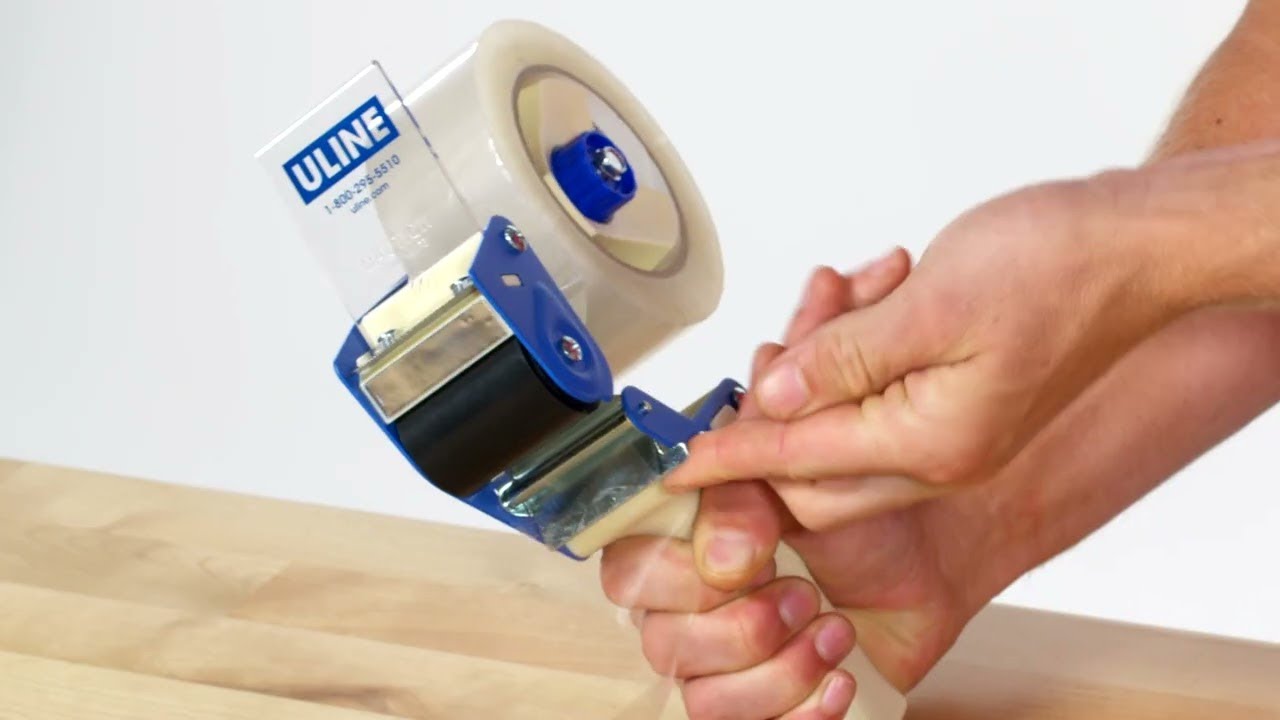
A packing tape gun may be allowed in checked baggage, but it is a poor choice for a carry-on bag when it has an exposed metal cutter.
Packing tape guns often have a wide serrated edge. That edge can look more like a cutting tool than a simple office dispenser. TSA may not allow it through the checkpoint, even if the cutter is small.
If you need to pack one for work, place it in checked luggage. Cover the cutter before packing. If you are traveling with only a carry-on bag, use a tape roller or a dispenser with no sharp cutting part.
Do not assume that wrapping the entire tape gun in clothing will make it acceptable in a carry-on. Security officers assess the item itself, not only its packaging.
Can you bring tape rolls without a dispenser?
Yes. Ordinary adhesive tape is generally allowed in both carry-on and checked bags.
This includes:
- Clear office tape
- Packing tape
- Masking tape
- Painter’s tape
- Duct tape
- Double-sided tape
- Washi tape
- Electrical tape
- Label tape
The main concern is usually the dispenser or cutting tool, not the tape roll.
Large tape rolls may take up space and can make a carry-on bag look crowded during screening. You can leave the tape in its original packaging or place it in a clear pouch to make inspection easier.
Avoid attaching a knife, razor, scissors, or loose blade to the tape roll. Those items have separate security rules.
What does TSA say about sharp objects?
TSA’s general guidance is to place sharp objects in checked baggage whenever possible. TSA’s official What Can I Bring? database is the best place to check an item before travel.
The database may not list every type of tape dispenser. When an item is not listed, TSA officers use their judgment at the checkpoint. TSA also states that the final decision rests with the officer screening the property.
This means online advice cannot guarantee that a particular dispenser will pass. The safest interpretation is:
- No sharp cutter: Usually reasonable for a carry-on.
- Exposed metal cutter: Put it in checked baggage.
- Loose or replaceable blade: Put it in checked baggage and protect it.
- Unclear design: Do not risk carrying it through security.
Rules can also vary outside the United States. If your trip includes a return flight from another country, check that airport or aviation authority’s rules too.
How should you pack a tape dispenser for air travel?
The best packing method depends on whether the dispenser has a sharp edge.
For a blade-free dispenser
Place it in a central part of your carry-on. Keep it with your office supplies so its purpose is clear. Do not hide it inside clothing or a sealed container that could slow inspection.
For a dispenser with a sharp cutter
Pack it in checked baggage. Cover the cutter and place the dispenser in a pouch or box. This protects both the bag and the people who handle it.
For a dispenser you must carry on
Choose a blade-free dispenser. A tape roller that tears or cuts tape without an exposed metal edge is a better option than a packing gun. Even then, allow extra time for screening and be ready to surrender the item if TSA does not approve it.
Do not argue with a TSA officer or try to conceal the item. If security rejects it, you may need to place it in checked baggage, return it to your vehicle, surrender it, or leave the checkpoint.
What about scissors used with tape?
Scissors are separate from tape dispensers. TSA generally allows scissors in a carry-on when the blades are less than 4 inches long, measured from the pivot point. Scissors with longer blades should go in checked baggage.
The rule applies to the scissors, not to the tape dispenser. A small dispenser with a sharp cutter can still raise a concern even when nearby scissors meet the size limit.
If you want the lowest-risk setup, carry tape without a dispenser and pack scissors that clearly meet TSA’s published size rule. Check any larger scissors.
Common mistakes to avoid
Travelers often focus on the tape and forget the cutter. These mistakes can create delays or cause an item to be rejected.
Packing a packing gun in an outside pocket
An outside pocket makes the item easy to reach but also easy to see during screening. A sharp packing gun should be in checked baggage.
Assuming small means allowed
Size matters, but it is not the only factor. A small exposed blade can still be treated as a prohibited sharp object.
Wrapping a sharp edge in paper
Paper can tear or move. Use a firm cover and checked luggage for sharp dispensers.
Treating TSA guidance as an airline guarantee
Airlines control baggage size, weight, and fees. TSA controls checkpoint security. An airline employee may accept your bag at check-in, but TSA can still reject an item later.
Forgetting the return flight
A dispenser allowed at one airport may receive a different decision at another checkpoint. Pack it in checked luggage for the full journey if it has a sharp cutter.
Quick decision guide
Use this simple test before leaving for the airport:
- Does the dispenser have a metal, serrated, pointed, or exposed cutter?
Put it in checked baggage. - Is the dispenser fully plastic with no sharp edge?
It is generally suitable for a carry-on. - Is the cutter removable?
Remove and protect it, then check it. Do not carry a loose blade in your cabin bag. - Are you flying with only a carry-on?
Bring tape without a dispenser or use a blade-free tape roller. - Are you unsure about the design?
Check the TSA database or contact TSA before travel.
Key takeaways
- You can usually bring a tape dispenser on a plane.
- A blade-free plastic dispenser is the safest carry-on option.
- A dispenser with an exposed metal or serrated cutter should go in checked baggage.
- Tape rolls without dispensers are generally allowed in carry-on and checked bags.
- TSA officers have the final decision at the security checkpoint.
- Protect sharp edges before placing them in checked luggage.
- Check the official TSA database before traveling if the dispenser has an unusual design.
Frequently asked questions
Can I bring a Scotch tape dispenser in my carry-on?
A small Scotch-style office dispenser with no exposed sharp metal edge is generally suitable for a carry-on. If it has a sharp cutter, pack it in checked baggage instead.
Can I bring a tape gun on Southwest, Delta, American, or United?
The main issue is TSA security, not the airline name. A tape gun with an exposed cutter may be rejected at the checkpoint. Put it in checked baggage and follow the airline’s separate size and weight rules.
Can I bring a tape dispenser on an international flight?
Possibly. U.S. TSA rules apply when departing from the United States, but the security agency at your return airport may use different rules. Check both the departure and return airports.
Can I bring a tape dispenser if I cover the blade?
Covering the blade reduces the chance of injury but does not guarantee carry-on approval. A sharp or exposed cutter is still best placed in checked baggage.
What is the safest alternative for a carry-on bag?
Carry tape without a dispenser, or use a blade-free tape roller. If you need to cut tape, use a permitted pair of small scissors and check the current TSA size guidance before traveling.
Conclusion
A tape dispenser is usually not a problem on a U.S. flight when it has no sharp cutting edge. The risk comes from the dispenser’s cutter, especially on metal desk dispensers and packing-tape guns.
For the least trouble, place any dispenser with a sharp or serrated cutter in checked baggage, protect the edge, and carry only tape or a blade-free dispenser in your cabin bag. Before departure, confirm unusual designs with the official TSA What Can I Bring? tool.