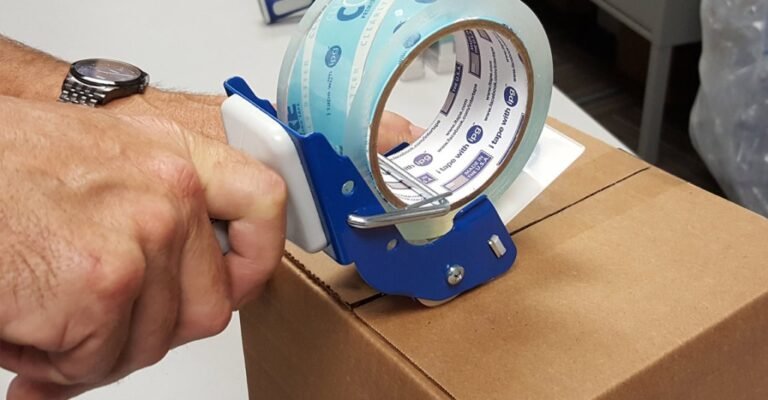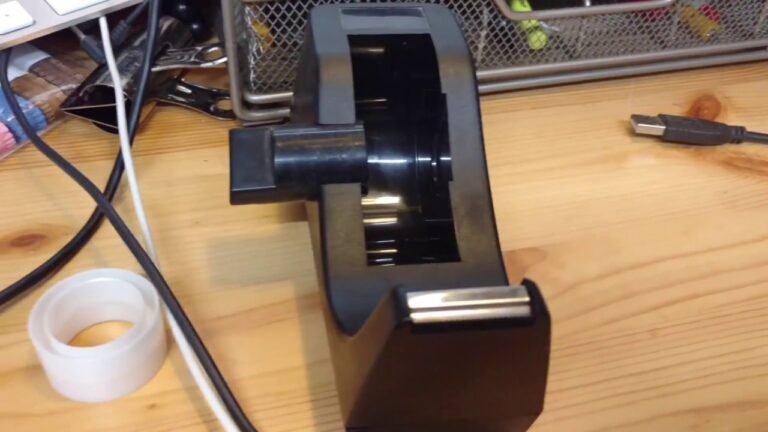
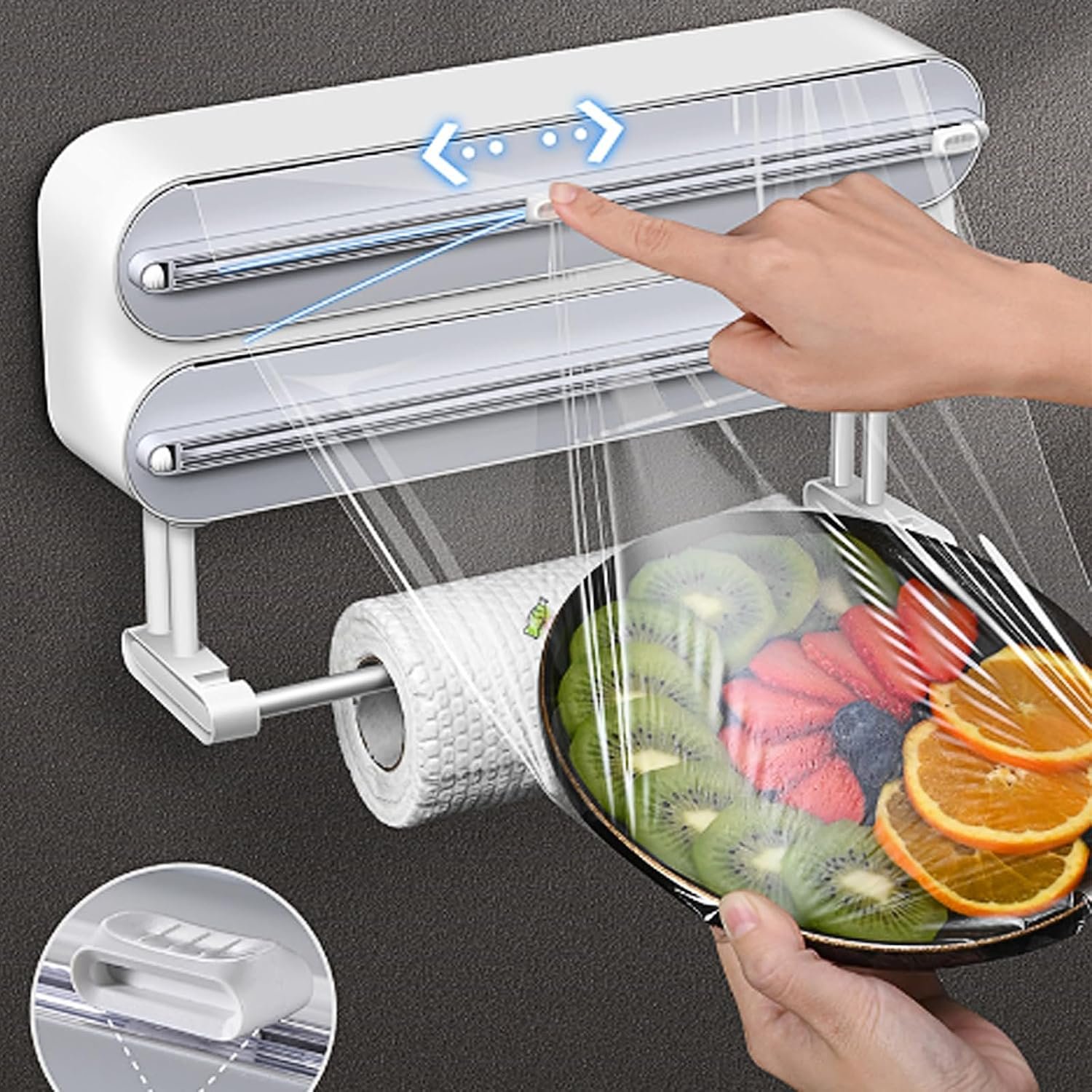
A kitchen wrap dispenser can turn a small, annoying task into a smooth part of cooking. Instead of fighting a loose roll, tearing uneven sheets, or losing the box in a drawer, you pull, cut, and move on. The right dispenser keeps plastic wrap, aluminum foil, and parchment paper neat, clean, and ready to use.
This guide explains how kitchen wrap dispensers work, which types suit different kitchens, how to load and clean them, and what to check before buying. It also covers common problems, safety, storage, and ways to reduce food-wrap waste. The goal is simple: help you choose a tool that saves time without adding clutter.
What Is a Kitchen Wrap Dispenser, and Why Do Home Cooks Use One?
A kitchen wrap dispenser is a holder that stores and cuts rolls of food wrap. Many models have a built-in blade, sliding cutter, lid, or mounting system. Some hold one roll, while others store plastic wrap, foil, and parchment paper together.
A good dispenser keeps the roll steady while you pull out the sheet. It can make a straight cut with less tearing and fewer wrinkles. For many home cooks, this means cleaner food storage and less wasted wrap.
How a kitchen wrap dispenser cuts cling film, aluminum foil, and baking paper
Most dispensers use a serrated edge or a concealed sliding blade. A serrated edge works like a small saw, while a slide cutter moves across the roll in one smooth line. Slide cutters often work well with cling film because they reduce stretching and bunching.

Why loose wrap rolls make everyday cooking more frustrating
A loose roll can slide across the counter or fall behind other items. Plastic film may stick to itself, and foil may crush at the edge. These small problems take only seconds each time, but they add up during a busy week.
Kitchen wrap dispensers for busy mornings, meal prep, and holiday cooking
A dispenser is useful when you pack lunches, divide leftovers, or prepare many meals at once. It lets you cut sheets with one hand while the other hand holds a bowl or tray. During holiday cooking, that quick access can feel like an extra pair of hands.
The difference between a kitchen wrap dispenser, a foil cutter, and a plastic wrap organizer
A foil cutter mainly focuses on aluminum foil. A plastic wrap organizer may only store a roll and offer no cutting system. A kitchen wrap dispenser is usually more flexible and may support several wrap types in one unit.
What Types of Kitchen Wrap Dispensers Can You Buy?
Kitchen wrap dispensers come in several designs. The best choice depends on your counter space, roll sizes, cooking habits, and tolerance for installation. A simple countertop model may be enough for one person, while a mounted multi-roll unit may suit a large family.
Wall-mounted kitchen wrap dispensers for small kitchens
Wall-mounted units attach to a wall, cabinet side, or backsplash. They free the counter and keep wrap near the work area. Check the mounting method first, especially if you rent your home.

Drawer-mounted wrap organizers that keep counters clear
Drawer-mounted organizers sit inside a drawer and keep rolls hidden. They offer a clean look and protect wrap from dust. Measure the drawer carefully before buying, including its height and the space needed to open the cutter.
Countertop kitchen wrap dispensers for quick access
Countertop dispensers need no installation. They are easy to move and refill, which makes them useful in rental kitchens. Choose a model with a heavy base or rubber feet so it does not slide during use.
Pull-down and slide-cut wrap dispensers for clean, straight cuts
Pull-down models use a lid or bar to hold the roll. Slide-cut models use a blade that travels across a track. Both designs can make clean cuts, but the track must stay free of crumbs and sticky residue.
Manual kitchen wrap cutters with built-in blades
Manual cutters are the most common type. You pull out the amount you need and press, tear, or slide across the blade. They are usually affordable and do not need batteries or electrical power.
Electric wrap dispensers: Are they worth the extra cost?
Electric models may cut or measure wrap with a button. They can help people with limited hand strength or mobility. However, they cost more, need power, and may be harder to clean than a basic manual dispenser.
Magnetic wrap dispensers for refrigerators and metal surfaces
Magnetic dispensers attach to a refrigerator or other steel surface. They save space and keep wrap visible. Before buying, check the magnet strength and the full weight of the loaded dispenser.
Multi-roll kitchen wrap dispensers with storage for foil, cling film, and parchment paper
Multi-roll units hold several materials in one place. They are useful for cooks who bake, pack lunches, and store leftovers. Their larger size may be a poor fit for narrow drawers or small counters.
The Ultimate Guide What Is a Dispenser (Types, Uses, and How They Work)
Which Kitchen Wrap Dispenser Works Best for Your Kitchen?
There is no single best dispenser for every home. A useful choice matches your space and daily habits. Think about where you use wrap most often, not only how the dispenser looks in a product photo.
The best kitchen wrap dispenser for a small apartment
A slim magnetic or wall-mounted model often works best in a small apartment. It uses vertical space and keeps the counter open. A narrow countertop dispenser is a good choice if you cannot drill or mount anything.
The best option for families who pack lunches every day
Families may benefit from a multi-roll dispenser with a strong cutter. Look for easy one-handed use and a stable base. A clear cover can also show when a roll is nearly empty.
What works best for weekend meal prep?
A countertop or drawer-mounted organizer works well for meal prep. It should allow fast refills and hold wide sheets for containers and trays. A separate spot for labels or storage bags can make the prep station even faster.

Choosing a wrap dispenser for frequent baking
Bakers should choose a model that fits parchment paper without folding it. A wide cutter and adjustable roll holder are helpful. The dispenser should also be easy to clean after flour, sugar, or butter gets near the blade.
Kitchen wrap dispensers for busy holiday cooking
During holiday cooking, capacity matters. A multi-roll unit reduces trips to a crowded drawer. Choose a design that can handle repeated cuts without the blade becoming loose or difficult to move.
The best setup for a shared kitchen or rental home
A portable countertop dispenser is often best for shared spaces. It does not require permanent installation and can move with you. Labeling each roll or using a clear cover also helps prevent mix-ups.
How to Choose the Right Kitchen Wrap Dispenser
The best dispenser is not always the most expensive one. Focus on fit, cutting quality, safety, cleaning, and daily ease. A simple tool that works every time is better than a complex unit that sits unused.
Check roll width, diameter, and core size before buying
Measure the roll width and outside diameter. Also check whether the roll has a cardboard core and what size it is. Some dispensers accept only standard rolls, while others have adjustable holders.
Choose a cutter that slices without tearing the wrap
The cutter should make a steady cut with light pressure. A dull edge may stretch film or crush foil. Read reviews for comments about clean cuts, blade sharpness, and long-term performance.
Compare stainless steel, plastic, bamboo, and wood designs
Stainless steel is strong and easy to wipe. Plastic is light and often less costly. Bamboo and wood can look warm and attractive, but they need careful cleaning and should not stay wet.
Look for non-slip feet, secure mounts, and stable construction
A stable dispenser is safer and easier to use. Rubber feet help stop sliding on smooth counters. Wall models need strong brackets, suitable screws, and a surface that can support the loaded unit.
Check whether the dispenser fits plastic wrap, aluminum foil, and parchment paper
Do not assume that a multi-purpose dispenser fits every roll. Check the listed width and diameter for each material. Parchment rolls may be wider or thicker than common plastic wrap rolls.
Consider one-handed operation when your hands are wet or messy
One-handed use is helpful when cooking raw meat, mixing dough, or holding a pan. Look for a firm base and a cutter that does not require much force. This feature can improve both speed and hygiene.
How much should you spend on a kitchen wrap dispenser?
Basic manual dispensers often cost less than premium mounted or electric designs. Set a budget based on how often you use wrap. Paying more may make sense for a strong blade, safe construction, and refillable design.
Which features are useful, and which are just extra clutter?
Useful features include a stable base, adjustable roll holders, a covered cutter, and easy cleaning. Extra displays, complex buttons, or oversized storage may add bulk without helping your routine. Choose practical design over decoration.
How to Load a Kitchen Wrap Dispenser Without Tangling the Roll
Correct loading is the first step toward smooth cutting. A roll that sits crooked can pull unevenly, wrinkle, or jam. Read the product instructions before loading, since each housing may use a different holder.
How to load a plastic wrap roll into a dispenser
Open the housing and place the roll on its holder. Pull the leading edge over the guide or under the lid, depending on the design. Leave a small edge visible so you can grab it next time.
How to fit an aluminum foil roll without bending its edges
Support the foil roll with both hands as you place it inside. Do not press hard on the sides. If the roll has cardboard end tabs, make sure they sit fully in the matching slots.
How to load parchment paper for baking
Place parchment so it feeds from the top or front, as the instructions show. Keep the sheet centered before closing the lid. A crooked roll can create diagonal cuts and waste paper.
Which direction should the wrap face?
The roll should feed toward the cutter in a natural, straight path. Most rolls work best when the sheet comes over the top toward you. If the material curls away, turn the roll and test the feed.
How to secure the leading edge so it stays easy to grab
Many dispensers have a lip, bar, or small slot that holds the edge. Use it without pressing the wrap too tightly. The edge should stay flat but still pull out with little effort.
Common loading mistakes that cause wrinkles, jams, and wasted wrap
Common errors include loading the roll backward, forcing a wide roll into a narrow housing, and closing the lid over a folded edge. Remove the roll and reload it if the first sheet already looks uneven.
How to Use a Kitchen Wrap Dispenser for a Clean, Straight Cut
Use slow, even movement at first. Pull the sheet to the needed length, keep it level, and use the cutter in the direction it was designed to move. A rushed pull often causes the same waste that the dispenser is meant to prevent.
How to pull cling film without stretching it too far
Cling film stretches easily, so pull it with light, even tension. Do not yank the roll. Let the film rest flat on the bowl or plate before cutting.
How to cut aluminum foil without crushing the sheet
Hold the foil level and avoid squeezing the roll. Use the cutter with one smooth motion. If the foil crumples, check whether the roll is too loose, too wide, or loaded off center.
How to measure parchment paper for baking trays
Place the tray near the dispenser and estimate the length with a small extra margin. Cut slightly longer than the base when you need side coverage. Avoid pulling a very long sheet before cutting, since it can fold onto the floor.
How to use a slide cutter without leaving jagged edges
Keep the cutter on its track and move it from one end to the other. Do not lift it halfway through. If the blade catches, stop and inspect the track for crumbs or film.
Tips for cutting wrap with one hand while preparing food
Use your free hand to hold the bowl or roll steady. Choose a dispenser with a heavy base and a covered blade. Clean your hands before touching the cutter area if you have handled raw food.
How to reduce waste when wrapping leftovers
Measure the container before pulling the wrap. Cut only enough to cover the top and seal the rim. For many foods, a reusable lid or container may work better than a large sheet of film.
Kitchen Wrap Dispenser Not Working? Common Problems and Fixes
Most dispenser problems have a simple cause. The roll may be the wrong size, the cutter may be dirty, or the housing may not hold the roll firmly. Test the dispenser with a fresh, correctly sized roll before assuming it is broken.
Why your kitchen wrap dispenser keeps tearing plastic wrap
Tearing can result from a dull blade, uneven tension, or a roll that sits at an angle. Reload the roll and clean the cutter. If the blade is worn, replace it if the design allows.
Why the wrap sticks to itself instead of coming out smoothly
Static electricity and warm conditions can make plastic film cling together. Pull a shorter length and keep the film flat. A dispenser that supports the roll on both ends can also reduce twisting.
Why the cutter will not slice through aluminum foil
The blade may be dull, blocked, or designed mainly for thin film. Check the manufacturer’s material list. Never force the cutter, since pressure can bend the blade or damage the housing.
Why the sliding blade gets stuck halfway
Crumbs, adhesive, and film pieces often block the track. Remove the roll and clean the channel with a soft brush or dry cloth. Do not add oil unless the instructions specifically allow it.
Why the wrap roll keeps slipping out of place
The roll may be too narrow, or the holder may be loose. Tighten adjustable ends and check for missing guides. A non-slip base cannot fix a roll that does not match the dispenser.
Why the dispenser pulls out too much wrap
Excess feed may come from a loose roll, weak brake, or missing tension bar. Hold the roll steady while pulling. Some models include an adjustable stop for portion control.
Why the plastic wrap keeps bunching up near the blade
Bunching often means the sheet is not centered or is being pulled at an angle. Align the roll and pull straight. Also check that the lid or guide is not pressing on one side only.
How to fix a loose, dull, or damaged cutter
Tighten removable blade parts only as the instructions show. Do not sharpen a disposable serrated edge at home. If the cutter is bent, cracked, or exposed, stop using it until replaced.
When to replace the cutter or buy a new dispenser
Replace the cutter when repeated cleaning does not restore a clean cut. Buy a new dispenser if the housing is cracked, the mount fails, or replacement parts are unavailable. Safety is more important than saving a small amount of money.
How to Stop Cling Film From Sticking, Wrinkling, or Tearing
Plastic wrap is light, thin, and affected by air, heat, and static. Even a good dispenser cannot solve every problem if the film is low quality or stored poorly. Small changes in temperature and handling can help.
Why static electricity makes plastic wrap difficult to handle
Static can pull the film toward itself, your hands, or the counter. This is common with thin film and dry air. Work slowly, and use a clean, dry surface to help keep the sheet flat.
How room temperature affects cling film performance
Very cold film may feel stiff and less flexible. Warm film may become soft and overly sticky. Store the roll in a cool, dry cabinet and allow it to adjust if it came from a cold location.
How to keep the film from folding over on itself
Pull from the center of the roll and keep the edge level. Use the dispenser guide to support the film. If the edge folds, cut it cleanly and start again rather than pulling through a wrinkled section.
How to pull the right amount without stretching the roll
Estimate the container size before pulling. Use gentle tension and stop when the film reaches the far edge. Stretching too much can make the sheet narrow and hard to control.
What to do when cling film sticks to the cutter
Remove the stuck film carefully and clean the cutter area. A small piece of residue can make the next cut worse. Keep the blade dry unless the care instructions say otherwise.
How to handle thin, budget plastic wrap without wasting half the roll
Use shorter pulls and support the film near the guide. Do not expect very thin film to behave like heavy commercial wrap. A slide cutter may offer better control than a sharp open edge.
Are Kitchen Wrap Dispensers Safe to Use?
A wrap dispenser is generally safe when used as directed. The main hazard is the cutting edge, especially on open serrated boxes or damaged units. Keep the tool stable, use the correct motion, and store it away from children.
How to avoid cuts from exposed blades
Keep fingers above or behind the cutting edge. Never reach under a blade to pull stuck film. If the dispenser moves while cutting, stop and place it on a non-slip surface.
Are concealed slide cutters safer than open serrated edges?
A concealed slide cutter can reduce direct contact with the blade. It is not risk-free, but the cutting part is less exposed during normal use. This design may be helpful in homes with children, while still requiring adult supervision.
How to keep sharp cutting parts away from children
Store the dispenser high or inside a closed cabinet when possible. Do not let children use it without close supervision. Explain that the tool cuts paper and foil as well as fingers.
Which dispenser materials are suitable for food preparation areas?
Food-wrap dispensers do not usually touch food directly; the wrap forms the barrier. Still, choose smooth, durable materials that are easy to clean. Avoid cracked plastic, flaking finishes, and untreated surfaces that trap crumbs.
Can you put a kitchen wrap dispenser in the dishwasher?
Only place it in a dishwasher if the manufacturer says it is dishwasher safe. Heat can warp plastic, loosen adhesive, or damage wood. Remove blades or electronic parts before washing whenever the instructions require it.
Food-contact safety: Why the wrap matters as much as the dispenser
The dispenser does not make unsafe wrap safe. Use food-grade plastic wrap, foil, parchment, or wax paper as intended. Follow package directions for heat, ovens, microwaves, and contact with acidic or fatty foods.
How to Clean and Maintain a Kitchen Wrap Dispenser
Regular cleaning keeps the cutter smooth and stops old food residue from spreading to fresh wrap. Unplug electric models before cleaning. Remove the roll first so water and cleaner do not reach the material.
How to remove sticky adhesive and food residue
Use a damp cloth with mild dish soap. For stubborn residue, let the cloth rest on the area for a few minutes. Avoid harsh solvents that can damage plastic, paint, or printed markings.
How to clean a slide cutter without damaging the blade
Move the cutter only as instructed and wipe around it with a soft cloth. A small brush can remove crumbs from the track. Do not press directly against the sharp edge.
How to prevent dust and crumbs from collecting inside the dispenser
Keep the lid closed when the dispenser is not in use. Place it away from the stove, toaster, and open flour bags. A closed housing protects both the cutter and the unused roll.
How often should you clean a kitchen wrap dispenser?
Wipe it weekly if you use it often. Clean it at once after visible spills or contact with raw-food residue. A deep clean each time you replace a roll is a simple routine.
How to store unused wrap rolls to keep them clean and dry
Store rolls in a cool cabinet away from steam and direct sunlight. Keep them in their original package until needed. Do not place heavy objects on top of cardboard boxes.
Signs that a cutter needs maintenance or replacement
Warning signs include rough cuts, pulling, rattling, exposed metal, and a blade that no longer sits firmly. If cleaning does not help, check for a replacement part. Continued use of a damaged cutter can cause injury.
Wall-Mounted vs. Drawer-Mounted vs. Countertop Kitchen Wrap Dispensers
The mounting style changes how quickly you can use, clean, and refill the dispenser. It also affects whether you can take it with you. Compare your available space before choosing a permanent solution.
Which dispenser saves the most kitchen space?
Wall-mounted models usually save the most counter space. Drawer models also keep counters clear but use valuable drawer room. Countertop units take visible space but offer the easiest setup.
Which design is easiest to refill and clean?
Countertop models are usually easiest to lift, open, and wash. Drawer models can be harder to reach, especially in a low drawer. Wall units vary based on their mounting height and lid design.
Which option works best in a rented kitchen?
A countertop or magnetic model avoids holes and permanent changes. Removable adhesive mounts may work, but check their weight rating. Test any adhesive on a hidden area first.
Which mounting style offers the best everyday convenience?
The most convenient style sits near your main prep area. A wall unit is fast if it is mounted at the right height. A drawer unit may be better if you prefer a clear, calm counter.
Comparing installation effort, storage capacity, and cost
Countertop units need little effort but may hold fewer rolls. Wall units require tools but can offer more storage. Drawer units balance hidden storage with moderate installation and access limits.
Can One Kitchen Wrap Dispenser Handle Plastic Wrap, Foil, and Parchment Paper?
Some dispensers can hold all three materials, but compatibility is not automatic. Plastic film is thin and stretchy, foil is firm, and parchment may be wide or stiff. Each material places different demands on the cutter.
How to check whether a dispenser supports different roll types
Read the product specifications for width, diameter, core size, and material support. Look for separate blade or feed instructions. Customer reviews can reveal problems that a short product description does not mention.
Why cling film needs a different cutting approach from aluminum foil
Cling film can stretch and fold, so it benefits from a guided slide cut. Foil is stronger but can crush if pulled at an angle. A dispenser must hold each roll firmly without squeezing it.
Can you use wax paper in a kitchen wrap dispenser?
You may use wax paper if the width and thickness fit the holder and cutter. However, wax paper can be stiff or slippery in some designs. Test a short piece before loading a full roll.
What happens when a roll is too wide or too thick?
The lid may not close, the roll may rub against the housing, or the cutter may fail to reach the sheet. Forcing the roll can damage the dispenser. Return it or use a compatible roll.
When separate dispensers work better than an all-in-one unit
Separate units may work better when you use wide baking paper or specialty foil. They also let you replace one tool instead of an entire system. The trade-off is more counter or drawer space.
Best Features to Look for in a Kitchen Wrap Dispenser
Useful features improve control, cleaning, and refill speed. They should solve a real problem in your kitchen. Avoid choosing features only because they appear impressive in a product photo.
Built-in slide cutters for smoother cuts
A slide cutter guides the blade across the sheet. This can reduce jagged edges and stretching, especially with plastic film. It should move freely and remain protected when not in use.
Transparent windows for checking remaining wrap
A clear window shows when the roll is nearly empty. This helps during meal prep and holiday cooking. It also prevents you from opening the housing just to check the supply.
Refillable cartridges and reusable housings
Reusable housings create less discarded packaging than single-use cutter boxes. Check whether replacement rolls are easy to find. A refill system is useful only when the roll loads without a struggle.
Non-slip bases and secure mounting systems
Non-slip feet improve one-handed use. Strong mounting systems prevent wobbling and protect the cutter from stress. Look for washable feet and clear weight limits.
Adjustable roll holders for different sizes
Adjustable holders can support several brands and roll widths. They are especially useful when you buy different types of foil or parchment. Make sure the adjustment mechanism does not loosen during use.
Built-in storage for bags, labels, and other kitchen supplies
Some organizers include spaces for sandwich bags, labels, or clips. This can create a useful meal-prep station. It can also make the unit bulky, so measure the space first.
Easy-to-clean surfaces and replaceable cutting parts
Smooth surfaces shed crumbs and wipe clean. Replaceable blades extend the life of a dispenser. Before buying, check whether spare parts are sold in your region.
How to Organize Your Kitchen With a Wrap Dispenser
Organization works best when the dispenser sits where the task happens. A tool hidden far from the counter may be tidy but slow to use. Think of the dispenser as part of a work path from fridge to prep area to storage.
Where to place a dispenser for the fastest access
Place it near the counter where you cover bowls, pack lunches, or prepare trays. Keep it away from the sink splash zone and high heat. The cutter should be easy to reach without crossing over a hot pan.
How to organize foil, cling film, and parchment paper together
Group the three materials in the order you use them most. Label each slot if the unit is not clear. Keep parchment close to baking tools and plastic wrap near leftover containers.
How to fit a wrap organizer inside a standard kitchen drawer
Measure the inside width, depth, and height, not only the outside. Leave room for the drawer to close without pressing the cutter. Use a thin non-slip mat if the organizer moves.
Small kitchen storage ideas that free up counter space
Use a cabinet door rack, magnetic side panel, or narrow vertical shelf. Store rarely used rolls higher and daily rolls within reach. Do not place a heavy dispenser where it can fall when the door opens.
Setting up a meal-prep station for weekday lunches
Keep wrap, bags, labels, a marker, and containers in one zone. Load the dispenser before starting prep. This reduces repeated trips and helps you portion food with less waste.
Keeping wrapping supplies ready for Christmas, Thanksgiving, and family gatherings
Before a large event, check each roll and cutter. Put spare rolls in a dry cabinet near the prep area. A clean, loaded dispenser can prevent a last-minute search through crowded drawers.
Common Kitchen Wrap Dispenser Buying Mistakes
A dispenser can look perfect online and still fail in daily use. Most buying errors come from missing measurements or ignoring how the cutter works. A short check before purchase can prevent a costly return.
Buying a dispenser without checking roll dimensions
A standard roll is not a universal size. Width, diameter, and core shape vary by brand and material. Always compare your favorite rolls with the dispenser’s limits.
Choosing looks over cutting performance
A beautiful bamboo box may not cut film well. A plain plastic unit may work better for years. Judge the blade, guide, stability, and cleaning process before the finish.
Ignoring blade safety and replacement options
Open blades need careful storage. Sealed cutters may be safer for busy homes. If a blade cannot be replaced, consider how you will handle wear or damage.
Installing a wall-mounted dispenser in the wrong spot
Do not mount it above a stove, where heat and grease can build up. Avoid a place that blocks cabinet doors or sits far from the prep surface. Mark the position and test the reach before drilling.
Paying extra for features you will rarely use
An electric cutter may not help if you use foil once a month. A large storage tower may waste space in a small kitchen. Spend on the features that match your routine.
Buying an all-in-one organizer that does not fit your favorite wrap brand
A dispenser is only useful when it accepts the material you buy. Check return rules and product measurements. Do not assume that the word “universal” means every roll will fit.
Kitchen Wrap Dispenser Alternatives: What Can You Use Instead?
A dispenser is helpful, but it is not essential. Many kitchens can manage with the original box, a drawer organizer, or reusable storage. The best option depends on how often you use disposable wrap.
Using the original plastic wrap or foil box
Original boxes are inexpensive and often include a cutting edge. Keep the box on a flat surface and replace it when crushed. This option works well if the roll stays inside and the box remains dry.
Using a simple drawer organizer for loose rolls
A drawer organizer stops rolls from rolling around. It may not improve cutting, but it keeps supplies easy to find. Pair it with the package cutter or a separate safe cutting tool.
Using reusable silicone food covers instead of cling film
Silicone covers fit bowls and some containers. They reduce disposable waste and can be washed many times. They are less useful for large trays, irregular shapes, or wrapping individual foods.
Using beeswax wraps for selected food-storage needs
Beeswax wraps can cover bowls, fruit, sandwiches, and some leftovers. They should not be used with raw meat or high heat unless the maker gives clear instructions. Wash them gently and replace them when worn.
When reusable food-storage containers are a better choice
Containers protect food, stack well, and often include a reusable lid. They are a strong choice for meal prep and leftovers. They need more cabinet space, so choose stackable shapes.
Why some alternatives work for leftovers but not for baking
Covers and containers may seal cooked food but cannot replace parchment for lining a pan. Baking needs material that handles oven heat and releases food properly. Use each storage tool within its intended purpose.
How to Reduce Plastic Wrap Waste With a Better Dispenser
Waste often starts with poor control. A dispenser can help you pull a measured sheet and make a clean cut. It does not remove the need to choose reusable options when they suit the job.
How clean cuts help reduce wasted cling film
A straight cut gives you a usable sheet with fewer torn corners. It also reduces the urge to pull another piece. Keep the blade clean so each cut works on the first try.
When reusable food covers make more sense
Use lids, silicone covers, or containers for foods you store often. These options may cost more at first but can reduce repeat purchases. Keep disposable wrap for shapes that reusable covers cannot fit.
Choosing refillable dispensers instead of disposable cutters
A refillable housing lets you replace only the roll. This can reduce packaging and keep a sturdy cutter in use. Confirm that replacement rolls are available and reasonably priced.
How to recycle empty wrap packaging where local rules allow
Recycling rules differ by city and material. Some cardboard boxes belong in paper recycling, while plastic film may require a store drop-off program. Check your local waste authority before placing wrap or boxes in a bin.
Balancing convenience, cost, and environmental impact
The lowest-cost option is not always the lowest-waste option. Consider the product’s life, refill price, cleaning needs, and actual use. A durable tool that prevents waste may offer better value than repeated disposable boxes.
Frequently Asked Questions About Kitchen Wrap Dispensers
Are kitchen wrap dispensers worth it?
They can be worth it if you use plastic wrap, foil, or parchment often. The main benefits are cleaner cuts, faster access, and better storage. If you rarely use wrap, the original box may be enough.
What is the best material for a kitchen wrap dispenser?
Stainless steel and high-quality plastic are practical choices. Stainless steel is strong, while plastic is light and often affordable. Bamboo and wood look attractive but need more care around water and food residue.
Can one dispenser hold plastic wrap and aluminum foil?
Many multi-roll models can hold both, but you must check roll width and diameter. The cutter must also support both materials. A unit made mainly for thin plastic film may not cut foil well.
Are slide cutters safer than serrated cutters?
Concealed slide cutters reduce direct exposure to sharp edges. They are often easier to use, but they still need safe storage and adult handling. No cutting tool should be treated as child-safe without supervision.
How do I stop plastic wrap from sticking to itself?
Pull the film slowly and keep it flat. Store the roll in a cool, dry cabinet and avoid stretching it too far. A guided dispenser can also reduce twisting and folding.
Can I put a wooden wrap dispenser in the dishwasher?
Usually, no. Water and heat can cause wood to swell, crack, or lose its finish. Wipe it with a damp cloth and dry it promptly unless the manufacturer gives different care instructions.
How often should I replace a kitchen wrap dispenser?
Replace it when the cutter is unsafe, the housing is cracked, or the roll no longer feeds correctly. A well-made dispenser may last for years with care. Replaceable blades can extend its useful life.
Can I use a kitchen wrap dispenser for wax paper?
You can if the roll fits and the cutter supports it. Test the material before loading a full roll. Some wax paper is stiff and may not feed smoothly through every design.
What should I do if the dispenser keeps sliding?
Place it on a dry, non-slip surface and check its rubber feet. Tighten any loose parts. If the unit remains unstable, choose a heavier model or mount it securely.
How can I choose a dispenser for a rental kitchen?
Select a countertop, magnetic, or removable model. Avoid drilling unless your lease allows it. Measure the available space and choose a design that can move with you.
Are electric dispensers better than manual ones?
Electric models may help users with limited strength or movement. For most cooks, a stable manual dispenser is simpler, cheaper, and easier to clean. Compare the extra cost with your actual needs.
What is the best dispenser for meal prep?
A stable multi-roll countertop or drawer-mounted model is often best. Look for quick cutting, wide roll support, and easy refilling. Keep labels and containers close to complete the station.
How do I clean a kitchen wrap dispenser?
Remove the roll and wipe the housing with mild soapy water. Use a soft brush for crumbs around the track. Dry all parts fully before loading a new roll.
Can I sharpen a dispenser blade?
Do not sharpen a small built-in blade unless the manufacturer provides a safe method. Replace the cutter or the dispenser when it becomes dull. Improvised sharpening can damage the tool or cause injury.
Does a kitchen wrap dispenser reduce plastic use?
It can reduce waste by creating straighter, better-sized cuts. It does not reduce the amount of wrap needed for a task. Combine accurate cutting with reusable containers and covers when practical.
How do I know if a dispenser is food safe?
Look for a reputable maker, clear material details, and care instructions. The wrap itself must also be made for food use. Keep the dispenser clean and prevent direct contact between food and the cutting mechanism.
Final Thoughts
A kitchen wrap dispenser is a small tool with a clear purpose: hold the roll steady, make cutting easier, and keep daily food storage under control. The best model depends on your space, roll sizes, cooking habits, and comfort with installation.
For a small kitchen, a magnetic or slim countertop unit may be enough. For meal prep and family use, a stable multi-roll dispenser can save time. Bakers should focus on width, clean cuts, and easy cleaning, while renters may prefer a portable design.
Before buying, measure your rolls and your storage space. Check the cutter, mounting system, safety features, and replacement parts. With the right fit and simple care, a good dispenser can make cling film, foil, and parchment paper feel less like a chore and more like a smooth part of the cooking process.
Editorial and research note: Product fit and safety details vary by model. Always follow the manufacturer’s instructions and local waste rules. For food-contact and packaging guidance, consult reliable sources such as the U.S. Food and Drug Administration, your local waste authority, and the product maker’s published specifications.