
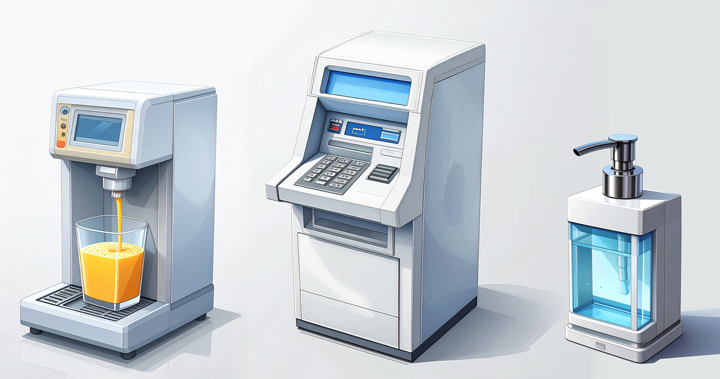
A dispenser is a device that releases a product in a controlled and useful way. It may provide soap, water, tape, paper, food, medicine, or industrial material. The goal is simple: make a product easier to access, measure, store, and use.
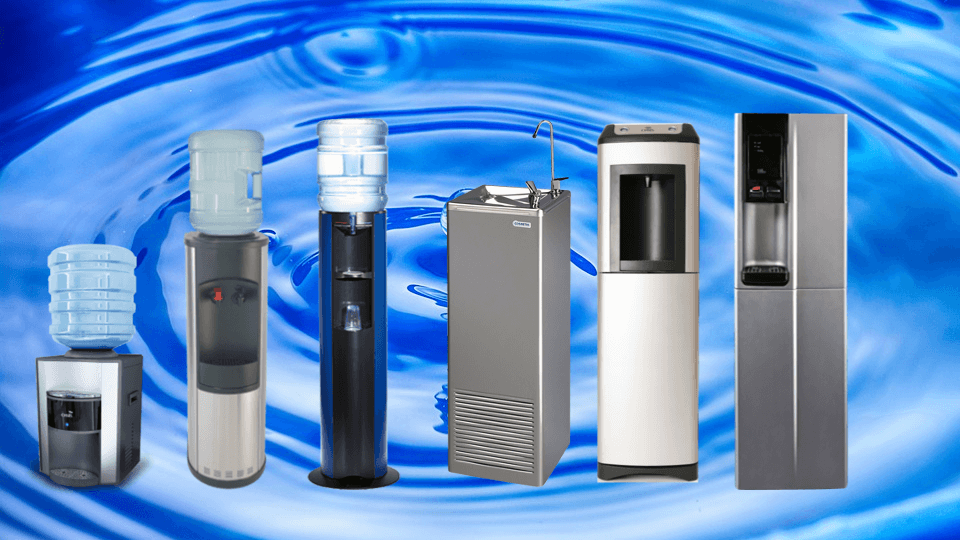
You see dispensers every day. A soap dispenser sits beside a bathroom sink. A tape dispenser rests on an office desk. A water dispenser may stand in a kitchen or break room. Some dispensers work by hand, while others use sensors, pumps, gravity, motors, or compressed air.
The right dispenser depends on what it holds and how it releases its contents. A small pump may suit hand soap, but it will not feed packing tape. A gravity bin may work well for cereal, while a factory may need a computer-controlled adhesive system. In each case, the dispenser acts like a helpful bridge between the product and the person using it.
What Is a Dispenser?
A dispenser is a tool, container, or machine that supplies a product when needed. It controls the flow, amount, or direction of that product. The product may be a liquid, solid, powder, sheet, roll, strip, or small item.
In simple terms, a dispenser gives you something without making you handle the whole supply. Instead of pouring soap from a large bottle, you press a pump. Instead of searching for the end of a tape roll, you pull tape across a cutter. Instead of lifting a large water jug, you use a tap or button.
A dispenser can be very simple. A cardboard tissue box has an opening that feeds one tissue at a time. A desktop tape holder has a weighted base and a sharp edge. A spice shaker has small holes that let a controlled amount of seasoning pass through.
Other dispensers are more advanced. A touchless soap dispenser uses a sensor to detect a hand. A vending machine uses electronic controls to release a selected item after payment. An industrial dispenser may use software, pumps, valves, and sensors to apply a precise amount of glue.
The word “dispenser” covers many products. It can describe a small household tool, a wall-mounted hygiene unit, a food container, or a large production system. The shared idea is controlled access to a product.
A dispenser does not always measure an exact amount. Some simply make an item easier to remove. A tissue dispenser may release one sheet at a time, while a tape dispenser may cut a strip to the length chosen by the user. Control can mean portion, direction, speed, timing, or order.
What Does a Dispenser Do?
A dispenser stores or receives a product and releases it for use. It may reduce the need to touch the supply, limit spills, speed up a task, or keep a work area neat. Its exact job depends on the product inside and the design of the device.
At home, a pump dispenser releases hand soap near a sink. A laundry machine has compartments that dispense detergent and fabric softener during the wash cycle. A pet food dispenser may release food at set times, even when the owner is away.
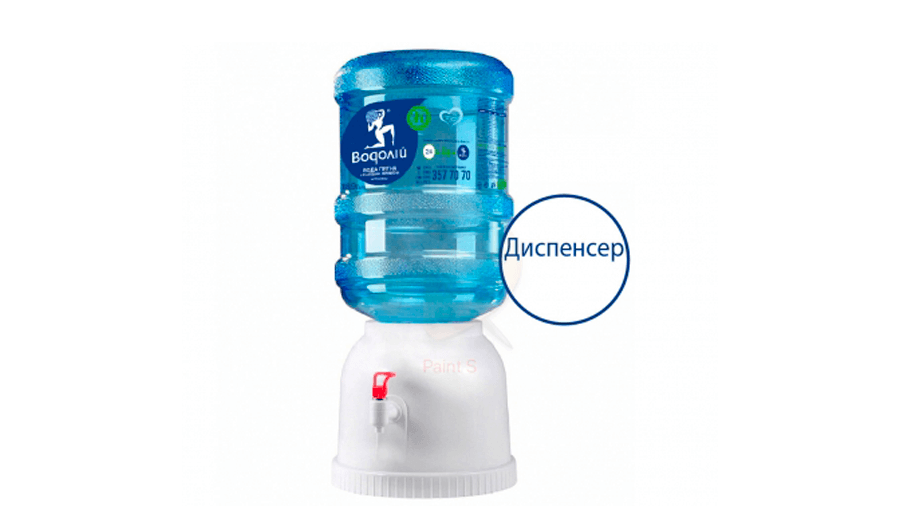
In an office, a tape dispenser helps someone seal an envelope or wrap a package. A water dispenser gives workers drinking water. A label dispenser helps staff peel labels from a backing roll without wasting time.
In a store, dispensers may provide receipts, shopping bags, price labels, sauces, or sample products. In a public building, they may supply hand sanitizer, paper towels, toilet tissue, or tickets.

In a factory, a dispenser may apply glue, grease, sealant, ink, or chemicals. It may also feed labels, fasteners, packaging film, or other parts into a production line. Such equipment can improve speed and repeatability when workers must perform the same task many times.
Imagine packing parcels on a busy Monday. A basic roll of tape can work, but a packing tape dispenser lets you pull, cut, and apply tape in one smooth motion. That small change can save time and reduce the frustration of hunting for the tape edge.
How Does a Dispenser Work?
Dispensers use different methods to move and release products. The main methods include manual action, automatic sensing, gravity, pressure, and mechanical feeding. Some devices combine two or more methods.
Manual Dispensing
A manual dispenser works when a person presses, pulls, squeezes, turns, or slides a control. The control may be a lever, button, trigger, handle, or pump.
A hand soap pump is a common example. When you press the top, the pump draws soap from the bottle and pushes it through a small nozzle. A trigger spray bottle uses a finger movement to create pressure and send liquid through a spray head.
Manual dispensers are often simple and affordable. Many do not need batteries or an electrical outlet. They are useful in homes, classrooms, offices, and small shops.
Their main limit is that the user must operate them each time. The amount released may also vary. One person may press a pump halfway, while another presses it several times.
Automatic Dispensing
An automatic dispenser uses a sensor to detect a hand, object, or movement. The sensor sends a signal to a motor, pump, or valve. The system then releases a set amount of product.
Touchless soap dispensers often use an infrared sensor. When a hand enters the detection area, the unit activates for a short time. This can reduce the need to touch a shared surface.
Automatic systems can improve speed and support portion control. However, they need batteries or power in many cases. A dirty sensor, weak battery, blocked nozzle, or poor hand position can stop the unit from working well.
Gravity-Fed Dispensing
Gravity-fed dispensers use the weight of the product to move it toward an opening. Cereal bins, grain containers, and some drink dispensers use this method.
When a gate or valve opens, the product falls or flows downward. Gravity systems have few moving parts, which can make them easy to use and maintain.
The product must flow well for a gravity dispenser to work. Sticky food, damp powder, or large pieces may bridge over the opening and stop the flow. The size of the outlet also affects speed and portion size.
Pressure-Based Dispensing
Pressure-based dispensers use a pump, compressed air, or pressure inside a container. The pressure pushes a liquid, foam, gas, or paste through an outlet.
A lotion bottle pump and a caulking gun are familiar examples. In a factory, pneumatic pressure may move sealant through a hose and nozzle.
Pressure systems can handle thick products that do not flow easily by gravity. They need the right pressure, seals, and nozzle size. Too much pressure can cause splashing, leaks, or an uneven application.
Mechanical Feeding
Mechanical dispensers use rollers, gears, belts, cutters, or other moving parts. These parts guide a product and release it in a planned way.
A tape dispenser feeds tape across a cutting edge. A label dispenser separates labels from their backing. An automatic packaging machine may use rollers to move film or paper at a set speed.
Mechanical systems can be fast and accurate. They also need more care than a simple holder. Dust, adhesive residue, worn gears, or a misaligned roll can cause jams.
What Are the Main Parts of a Dispenser?
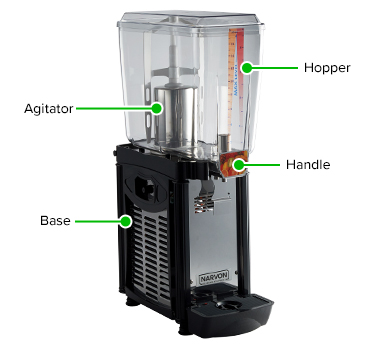
Although designs vary, most dispensers have several basic parts. Each part supports storage, movement, control, or release.
- Container, reservoir, or holder: Stores the product before use.
- Pump, valve, nozzle, or outlet: Controls where the product leaves the device.
- Trigger, lever, button, or sensor: Starts the dispensing action.
- Feed mechanism: Moves tape, labels, paper, or other solid items.
- Power source: Provides energy for motors, sensors, or controls.
- Refill opening and lid: Allow the user to add more product.
- Mounting hardware: Holds the dispenser on a wall, counter, machine, or production line.
A liquid soap dispenser may have a bottle, pump tube, spring, pump head, and nozzle. A desktop tape dispenser may have a base, spindle, guide, and cutting blade. An automatic unit may also include a battery compartment, circuit board, sensor, and motor.
The materials matter too. Plastic is light and often affordable. Stainless steel is strong and easy to clean, so it is common in kitchens, hospitals, and commercial washrooms. Chemical dispensers may need special seals and materials that resist corrosion or chemical damage.
What Are the Different Types of Dispensers?
The best way to understand dispenser types is to consider both the product they hold and the task they perform. The word “dispenser” covers many tools, from small household devices to large industrial machines.
A soap dispenser and a tape dispenser may look very different, but they share the same basic purpose. Both make a product available in a controlled and convenient way.
Liquid Dispensers
Liquid dispensers release products such as soap, water, beverages, oils, and chemicals. They may use a pump, tap, valve, trigger, sensor, or pressurized system.
Common liquid dispensers include:
- Soap dispensers
- Hand sanitizer dispensers
- Lotion and shampoo dispensers
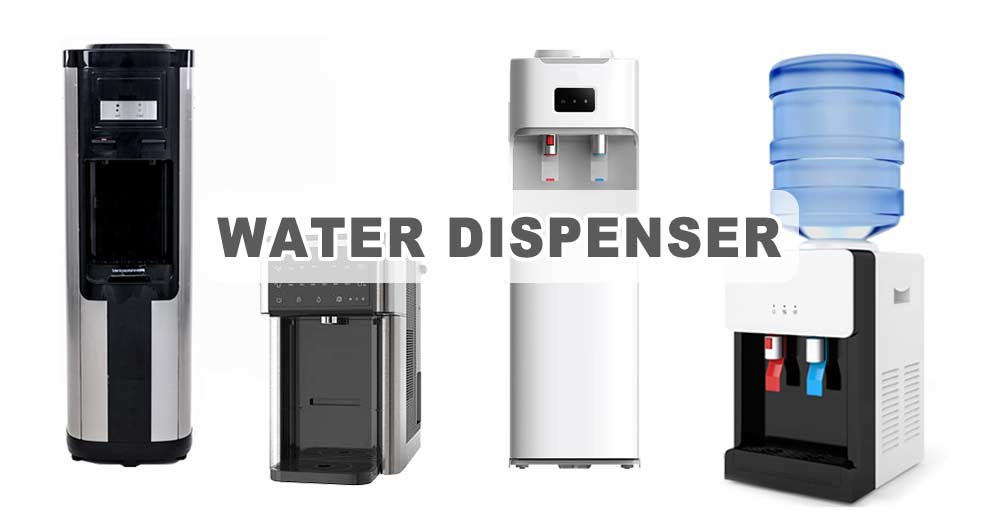
- Water dispensers
- Beverage and juice dispensers
- Dishwashing liquid dispensers
- Cooking oil dispensers
- Chemical dispensers
A home soap pump may release a small amount with each press. A restaurant beverage dispenser may fill many cups during a lunch rush. An industrial chemical dispenser may use a calibrated pump to reduce exposure and improve accuracy.
Tape Dispensers
Tape dispensers hold and feed rolls of tape. Most include a guide and a cutting edge. The user pulls the tape, then cuts it at the desired length.
Common types include:
- Desktop tape dispensers
- Handheld tape dispensers
- Packing tape dispensers
- Heavy-duty carton sealing dispensers
- Industrial tape dispensers
- Double-sided tape dispensers
- Automatic tape dispensers
A desktop model is useful for office work, crafts, and gift wrapping. A handheld packing dispenser is better for sealing boxes. Automatic tape machines can cut repeated lengths for manufacturing or high-volume packaging.
Paper and Tissue Dispensers
Paper dispensers provide sheets, rolls, or folded products. They are common in bathrooms, kitchens, restaurants, offices, and healthcare settings.
Examples include:
- Paper towel dispensers
- Toilet paper dispensers
- Facial tissue dispensers
- Napkin dispensers
- Hand towel dispensers
- Paper roll dispensers
Some feed one sheet at a time. Others use a lever, sensor, or pull-down design. Single-sheet systems may help reduce waste, but their performance depends on correct loading and regular cleaning.
Food Dispensers
Food dispensers help store and serve dry or liquid foods. They can make self-service faster and help protect food from unnecessary handling.
Food dispenser examples include:
- Cereal dispensers
- Candy dispensers
- Dry food dispensers
- Sauce and condiment dispensers
- Coffee dispensers
- Grain and rice dispensers
- Commercial ingredient dispensers
A cereal dispenser may use a turning knob to release a portion. A restaurant sauce dispenser may use a pump or squeeze system. Commercial ingredient dispensers can hold flour, sugar, grains, or other materials used in food preparation.
Food equipment needs special care. The material must be suitable for food contact, and the device must be easy to clean. Moisture can cause grains, cereal, and powders to clump or spoil.
Personal Care and Hygiene Dispensers
Hygiene dispensers provide products used for cleaning, care, and personal protection. They are common in homes, schools, offices, hospitals, stores, and public buildings.
Examples include:
- Touchless soap dispensers
- Hand sanitizer dispensers
- Toothpaste dispensers
- Lotion dispensers
- Disposable glove dispensers
- Feminine hygiene product dispensers
Touchless models can reduce shared contact points. Still, touchless does not mean maintenance-free. The sensor, nozzle, outer case, and refill area need regular cleaning.
Office and Retail Dispensers
Office and retail dispensers help staff handle labels, paper, tickets, tags, and small printed items.
Common examples include:
- Label dispensers
- Receipt paper dispensers
- Ticket dispensers
- Price tag dispensers
- Business card dispensers
- Adhesive label dispensers
A label dispenser can make a repetitive task much easier. Instead of peeling each label from a loose roll, the device presents the edge and separates the label from its backing.
Industrial and Commercial Dispensers
Industrial dispensers are designed for repeated use, controlled output, and demanding work conditions. They may be manual, electric, pneumatic, or computer-controlled.
Examples include:
- Adhesive dispensers
- Sealant dispensers
- Lubricant dispensers
- Chemical dispensers
- Packaging material dispensers
- Automatic component dispensing systems
A production line may use a dispensing system to apply the same amount of glue to every part. This can improve consistency and reduce material waste. It may also help workers avoid direct contact with chemicals or hot materials.
Other Common Dispensers
Many other devices fit the same broad definition. They may release a product at a selected time, after a payment, or when a person activates a control.
Examples include:
- Medicine dispensers
- Vending machines
- Air freshener dispensers
- Laundry detergent dispensers
- Pet food dispensers
- Water bottle dispensers
A timed pet food dispenser can release meals on a schedule. A medicine dispenser may organize doses and provide reminders. These devices can support daily routines, but they should not replace professional medical advice or safe product handling.
Where Are Dispensers Used?
Dispensers are found wherever people need quick, organized, or controlled access to a product. Their value often becomes clear during busy moments. When many people need the same item, a dispenser can reduce delay and confusion.
Dispensers at Home
Homes use dispensers in bathrooms, kitchens, laundry rooms, garages, and home offices. They help keep common products easy to find and simple to use.
Typical home examples include:
- Soap and lotion dispensers in bathrooms
- Water and beverage dispensers in kitchens
- Cereal and spice dispensers in pantries
- Laundry detergent dispensers in washing machines
- Tape dispensers in home offices and craft spaces
A wall-mounted soap dispenser can leave more space around a small sink. A cereal dispenser can help children serve breakfast without lifting a large box. A tape dispenser can keep a craft table from becoming covered with loose rolls and scraps.
Dispensers in Offices and Schools
Offices and schools use dispensers to support hygiene, food service, packaging, and document work.
Common examples include:
- Desk tape dispensers
- Hand sanitizer dispensers
- Water dispensers
- Paper towel dispensers
- Label and document handling dispensers
In a school, a sanitizer dispenser near an entrance can make hand cleaning more convenient. In an office, a water dispenser can serve many people without repeated trips to a kitchen faucet.
Dispensers in Shops and Supermarkets
Retail spaces use dispensers for customer service and store operations. They may help with checkout, food service, packaging, and product information.
Examples include:
- Bag dispensers
- Receipt dispensers
- Price label dispensers
- Food and condiment dispensers
- Vending machines
A receipt dispenser feeds paper through a printer. A price label dispenser helps workers mark products quickly. A snack vending machine is a more complex dispenser because it also manages product selection, payment, and inventory.
Dispensers in Restaurants and Hotels
Restaurants and hotels need fast service and clean presentation. Dispensers help staff serve food, drinks, paper goods, and hygiene products.
Common uses include:
- Sauce and beverage dispensers
- Soap and shampoo dispensers
- Napkin and paper towel dispensers
- Commercial food ingredient dispensers
During a busy breakfast service, a cereal or beverage dispenser lets guests serve themselves. In a hotel bathroom, wall-mounted soap and shampoo dispensers reduce small bottles and simplify room restocking.
Dispensers in Factories and Warehouses
Factories and warehouses use dispensers to improve speed, safety, and repeatability. These devices may handle packaging, chemicals, adhesives, labels, lubricants, and components.
Typical examples include:
- Packing tape dispensers
- Label dispensers
- Adhesive and sealant equipment
- Lubricant and chemical dispensers
- Automated production line systems
A warehouse worker may use a handheld tape dispenser while sealing dozens of cartons. A factory robot may use a precision nozzle to place adhesive on every part in the same pattern.
What Are the Benefits of Using a Dispenser?
A dispenser does not provide every benefit in every situation. A simple holder may offer convenience but no precise measurement. An automatic device may improve speed but require batteries and more care.
Better Control Over Product Use
Many dispensers release a measured amount of liquid or material. This can help prevent overuse when the design supports portion control.
A soap pump may release one dose per press. A condiment pump may help a restaurant serve a steady amount. An adhesive applicator may place a narrow bead instead of allowing excess glue to spread across a surface.
Better control can lower waste and make costs easier to track. It can also improve the final result. Too much sealant may create a mess, while too little may not form a reliable seal.
Less Mess and Waste
Dispensers can reduce spills and unnecessary handling. They keep liquids, powders, tape, paper, and small items in one place.
A pump can be cleaner than pouring from a large bottle. A label dispenser can reduce torn labels. A paper dispenser can protect a roll from open contact and moisture.
However, a dispenser is not automatically leak-proof or waste-free. Incorrect refilling, a loose lid, a cracked container, or a faulty nozzle can still cause leaks. Regular checks matter.
Improved Hygiene
Dispensers can limit direct contact with shared products. Touchless models reduce the need to press a common button or touch a pump head.
This benefit has limits. A touchless dispenser still needs regular cleaning, refilling, and inspection. A dirty outer case or contaminated refill process can reduce the hygiene benefit.
Use the product according to the manufacturer’s instructions. In settings such as healthcare, food service, or public washrooms, cleaning schedules and refill procedures are especially important.
Faster and Easier Daily Tasks
A dispenser makes repeated jobs feel lighter. It can turn several small actions into one smooth motion.
For example, a tape dispenser can speed up gift wrapping before a holiday or parcel packing on a busy workday. A pump can dispense soap with one hand. An automatic system can apply material while a worker focuses on placing the next part.
Better Organization and Storage
Dispensers keep frequently used products in one location. This supports orderly workstations, kitchens, bathrooms, offices, and warehouses.
A mounted unit can free counter space. A labeled ingredient dispenser can make a pantry easier to manage. A rack of tape and label dispensers can help a packing station stay ready for work.
What Are the Different Ways Dispensers Operate?
Dispensers can be grouped by their operating mechanism rather than only by the product they hold. This view helps explain why two devices that hold liquid may work in very different ways.
Manual Dispensers
Manual dispensers need a person to start the action. The user may press a pump, pull a trigger, turn a knob, squeeze a bottle, or move a lever.
Common examples include soap pumps, desktop tape dispensers, trigger sprays, paper towel levers, and handheld label tools.
Their main benefits are simple operation, low cost, and little or no need for electrical power. Their limits include repeated hand effort and possible variation in the amount released.
Automatic and Touchless Dispensers
Automatic dispensers use sensors to detect a hand, object, or movement. A motor, pump, or valve then releases the product.
They are common in bathrooms, offices, hospitals, schools, airports, and public buildings. They can be useful where many people share the same product.
These units may need batteries, an outlet, or both. Sensor faults, low battery power, blocked outlets, and poor placement can affect performance. A unit that works well in a quiet bathroom may need different settings in a busy public area.
Pump Dispensers
Pump dispensers move liquid through a pump and nozzle. A press changes the pressure inside the pump chamber and pushes product outward.
Soap, lotion, shampoo, dish liquid, sanitizer, and cleaning products often use pumps. The pump must match the product’s thickness. A very thick lotion may need a wider passage than thin hand soap.
Common problems include blocked nozzles, dried product, worn seals, and air entering the pump. Cleaning the outlet and using the correct refill can often restore normal flow.
Gravity-Fed Dispensers
Gravity-fed dispensers rely on the product’s weight. When a gate opens, the material moves toward the outlet.
Cereal, grains, rice, candy, and some liquids can work with gravity systems. These devices are often easy to load and operate.
Flow depends on moisture, product size, shape, and texture. Small dry grains may flow smoothly, while sticky or damp products may clog. A good design uses an outlet and gate that match the product.
Electric and Pneumatic Dispensers
Electric dispensers use motors, controls, heaters, sensors, or programmed movements. Pneumatic dispensers use compressed air to move pistons, valves, or material.
Examples include automatic tape machines, industrial adhesive systems, and production equipment. These systems can deliver speed and repeatable output.
They may also need specific settings, worker training, air pressure, electrical safety checks, and planned maintenance. A complicated dispenser is not always the best choice for a simple task.
What Is the Difference Between a Dispenser and a Dispenser Machine?
“Dispenser” is the broad term for any device that releases or supplies a product. “Dispenser machine” often describes a powered, automated, or more complex unit, but the terms can overlap.
A manual tape dispenser is a dispenser. An automatic tape-cutting machine is also a dispenser, but it has motors, controls, and a more advanced feed system.
A hand soap pump is a basic dispenser. An electronic sensor-operated soap unit may be called a dispenser machine because it uses a sensor and motor. In everyday speech, people may use either term.
The key difference is not always the name. Look at how the device works, how much control it offers, and what task it performs. Product descriptions should explain capacity, power needs, speed, compatible materials, and maintenance.
Dispenser vs. Vending Machine
A dispenser releases or supplies a product. A vending machine usually makes a product available after a person makes a selection and, often, pays.
A water dispenser may provide water to anyone who uses it. A ticket dispenser may give a numbered ticket without selling anything. A snack vending machine usually accepts payment before it releases food.
The two categories can overlap. A vending machine is a complex form of dispensing equipment, but not every dispenser is a vending machine. The presence of payment, product selection, inventory control, and customer access often separates vending machines from simple dispensers.
How to Choose the Right Dispenser
Start with the product and the task. A dispenser for sticky packing tape needs very different features from one used for soap, food, or chemical fluid.
Consider What You Need to Dispense
Identify whether the product is a liquid, powder, food, tape, label, paper, adhesive, or another material. Then check its thickness, viscosity, size, shape, and flow behavior.
A thin liquid may work with a small pump. A thick sealant may need a heavy-duty cartridge gun. A roll of labels may need a guide that matches its width and core size.
Do not assume that a dispenser works with every product in the same category. Two soaps may have different thicknesses. Two tapes may use different backing materials. Always check the maker’s compatibility information.
Choose the Right Capacity
Small capacity suits occasional household use. Larger capacity works better in busy offices, schools, restaurants, and stores. Industrial capacity is intended for repeated or high-volume production.
A large refill may reduce service time, but it may also be heavy or harder to clean. A small container may be easier to handle but require frequent refilling.
Think about who will refill the unit and how often. In a public washroom, a refill that lasts through a busy day may be more practical than a small bottle that needs attention every few hours.
Decide Between Manual and Automatic Operation
Manual models usually cost less and are easy to understand. Automatic models may improve speed, reduce touch, and offer timed or measured release.
Consider the purchase price, power supply, battery life, repair needs, and user habits. A manual soap pump may be ideal for a family bathroom. A touchless unit may suit a busy public entrance.
Check Material and Build Quality
Look for plastic, stainless steel, glass, or other materials that suit the product. The material should resist moisture, cleaning products, wear, and chemicals where needed.
For food, hygiene, or chemical use, verify the manufacturer’s safety and compatibility information. A material that is fine for water may not be suitable for oil, solvent, acid, or food contact.
Also inspect the hinges, pump, valve, cutting edge, mounting points, and refill lid. A strong body cannot compensate for a weak nozzle or poor seal.
Consider Cleaning and Refilling
Choose a dispenser that is easy to open, empty, clean, and refill. Check whether replacement pumps, lids, nozzles, batteries, and other parts are available.
Consider how often the unit will need attention. A restaurant dispenser may need cleaning each day, while a home craft dispenser may need attention less often.
A dispenser that is hard to clean may cost more over time, even if its purchase price is low. Easy access can be as important as a stylish design.
Match the Dispenser to Your Budget
Compare the upfront price with refill costs, energy use, replacement parts, and long-term maintenance. A low-cost unit may be a good choice for light use.
Avoid paying for features that do not support the task. A sensor, display, or programmable control is useful only when it solves a real problem.
How to Clean and Maintain a Dispenser
Regular cleaning helps a dispenser work well. It can prevent buildup, blockages, bad odors, sticky parts, and uneven output.
Cleaning methods depend on the product and the materials. A food dispenser may need a different process from a chemical dispenser. Always follow the manufacturer’s directions before using water, detergent, alcohol, or another cleaner.
Basic Cleaning Steps
- Check the manufacturer’s instructions.
- Empty or disconnect the dispenser when required.
- Remove parts only as directed.
- Clean removable parts with a compatible method.
- Clear the outlet or feed path.
- Allow parts to dry when appropriate.
- Reassemble the dispenser.
- Test it before regular use.
Do not mix leftover products unless the maker says it is safe. For example, combining different cleaning liquids can create unwanted reactions. When in doubt, empty and clean the container before adding a new refill.
Tape and label dispensers also need care. Remove adhesive residue from guides and cutters. Make sure the roll sits straight and that the feed path is free of scraps.
Common Dispenser Problems
Even a well-made dispenser can develop problems. The cause may be an empty container, wrong refill, blocked outlet, damaged part, low battery, or poor alignment.
Common issues include:
- No product comes out.
- The pump or nozzle is blocked.
- Liquid leaks around the outlet.
- The dispenser releases too much or too little.
- An automatic dispenser fails to detect a hand.
- Tape or labels jam inside the feed mechanism.
Start with simple checks. Confirm that the dispenser has product, the lid is closed, the battery is charged, and the product matches the device. Then inspect the nozzle, sensor, valve, roll, and feed path.
Do not force a jammed mechanism. A hard pull can damage gears, tear labels, or bend a guide. Follow the service instructions or replace the worn part.
When Should You Replace a Dispenser?
Replace a dispenser when repair is no longer safe, clean, reliable, or cost-effective.
Signs that replacement may be needed include:
- Cracked or damaged containers
- Persistent leaks
- Broken pumps, valves, or feed mechanisms
- Repeated sensor or motor failures
- Uncleanable residue
- Signs of material damage or corrosion
A small crack may allow contamination or leakage. A damaged chemical dispenser may create a safety risk. A public hygiene dispenser that fails often can also harm user trust.
If a replacement part is available, repair may be practical. Compare the part cost and labor with the price of a new unit. For industrial systems, use the maker’s service guidance and required safety procedures.
Common Mistakes to Avoid When Using a Dispenser
Avoid filling a dispenser with an incompatible product. A thick lotion may block a pump made for thin soap. A chemical may damage seals that were designed only for water-based liquids.
Do not overfill the reservoir. Leave enough space for the lid, pump action, air movement, or expansion. Overfilling can cause leaks and make the unit harder to close.
Do not ignore refill and cleaning instructions. Old product can dry inside a nozzle or mix with a new refill. A dirty dispenser can release uneven amounts and create unpleasant smells.
Other mistakes include placing the unit where it can be knocked over, using excessive force, ignoring a low battery, and pulling tape or labels at the wrong angle. Small habits often decide whether a dispenser feels smooth or frustrating.
Frequently Asked Questions About Dispensers
What is a dispenser in simple words?
A dispenser is a device that gives out a product in a controlled or convenient way. It may release soap, water, tape, paper, food, medicine, or another material.
What is the purpose of a dispenser?
A dispenser makes a product easier to access and use. Depending on its design, it may measure portions, reduce spills, improve hygiene, save time, or organize storage.
Is a dispenser a machine?
Some dispensers are simple manual tools, while others are powered machines. The term “dispenser machine” usually suggests a more complex or automatic device.
Are dispensers hygienic?
Dispensers can improve hygiene by reducing direct contact. They still need regular cleaning, correct refilling, and proper maintenance.
What is the most common type of dispenser?
Pump dispensers are among the most common. Soap, lotion, shampoo, sanitizer, and cleaning products often use pump designs.
Do all dispensers need electricity?
No. Many dispensers work by hand or gravity. Automatic, sensor-based, motorized, and pneumatic models may need batteries, electricity, or compressed air.
How do I know which dispenser to buy?
Start with the product you need to release. Check its thickness, size, flow behavior, capacity, compatibility, cleaning needs, and the amount of daily use.
Conclusion
A dispenser is more than a container with an opening. It is a tool that controls how a product is stored, accessed, measured, and released. From a soap pump beside a sink to a precision adhesive system in a factory, dispensers make repeated tasks easier and more organized.
The right choice depends on the product, setting, speed, capacity, hygiene needs, and level of control. Manual, gravity-fed, pump, automatic, electric, and pneumatic designs each have a useful place. With proper cleaning, correct refilling, and timely repairs, a good dispenser can save time, reduce waste, and make everyday work feel much simpler.