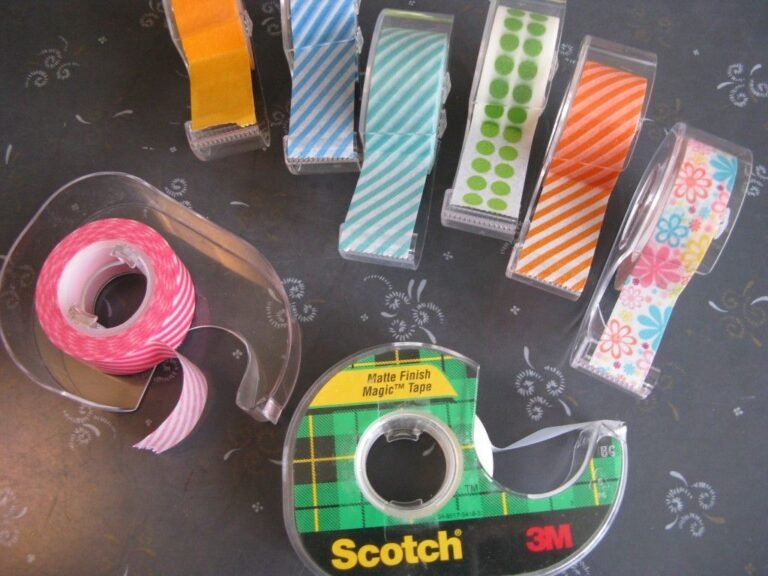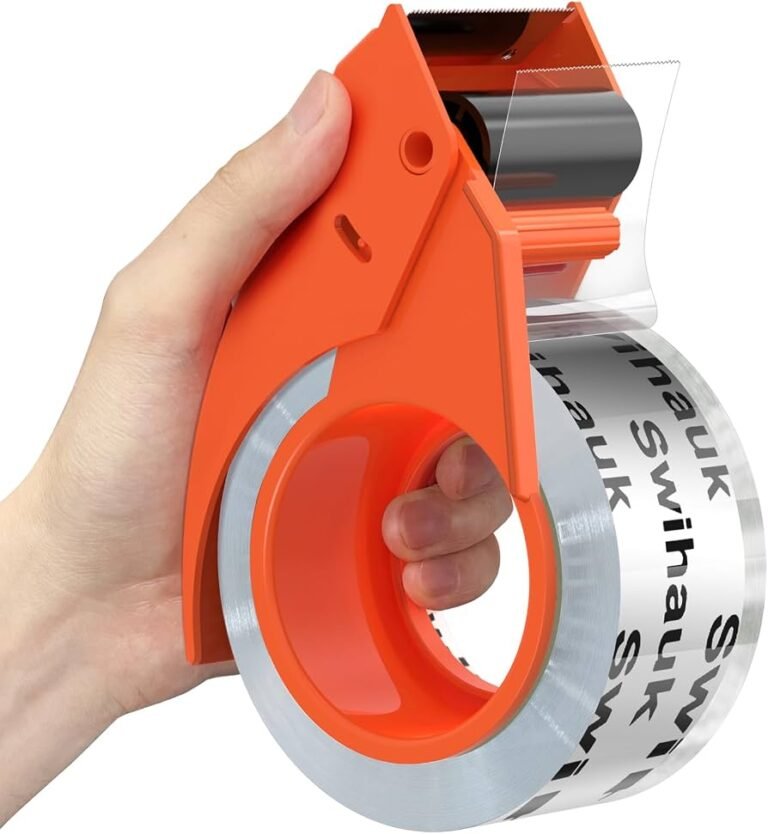
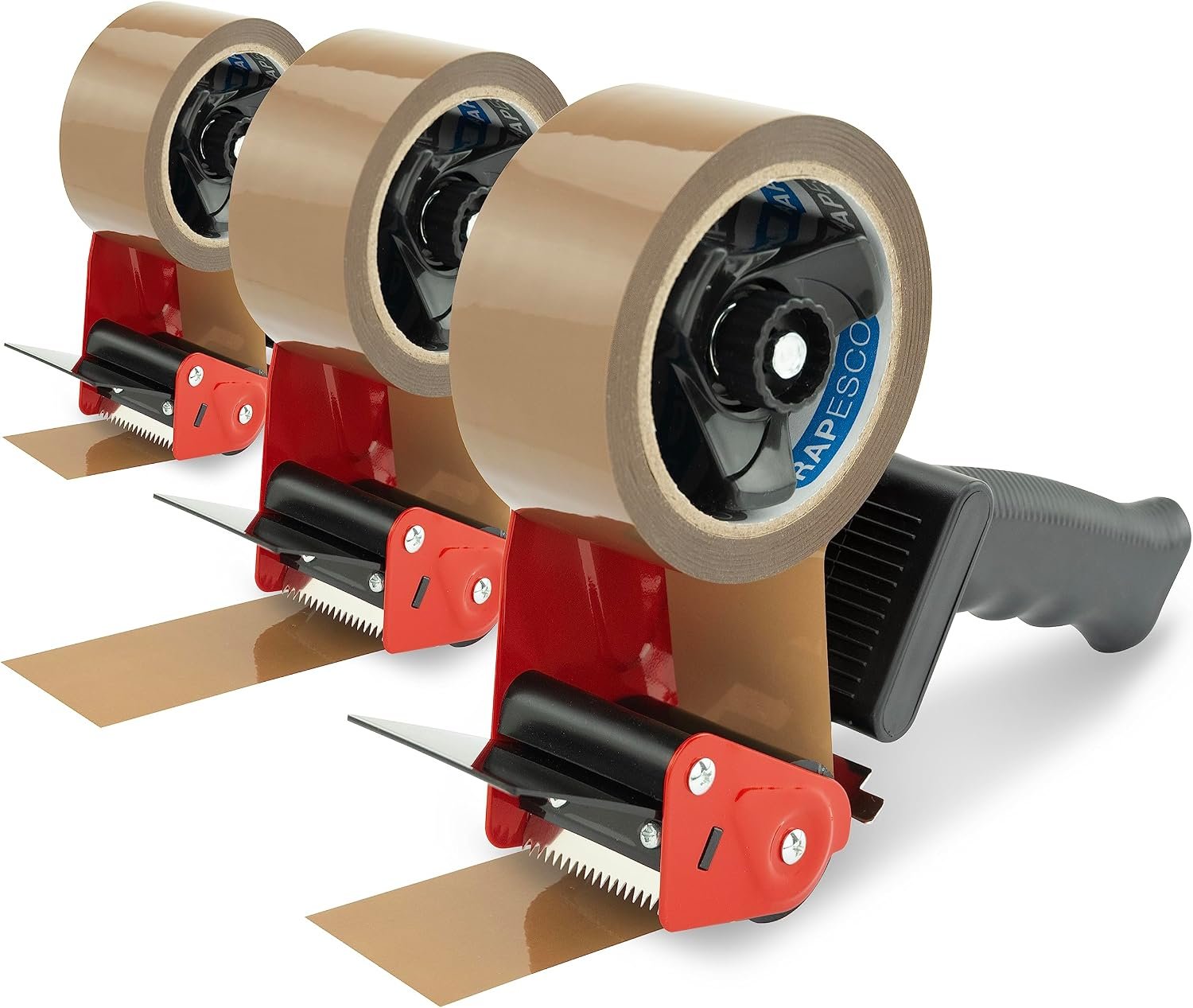
Yes, some tape dispensers can be recycled in the United States, but the answer depends on the dispenser’s material, design, and your local recycling rules. A simple cardboard tape dispenser may belong in paper recycling. A metal dispenser may be accepted as scrap metal. A plastic dispenser may or may not be accepted in curbside recycling.
Do not place every tape dispenser in the blue bin. First, remove the tape roll, label, adhesive residue, and any parts made from a different material. Then check your local recycling program.
This guide explains how to recycle tape dispensers, what to do with plastic and metal models, and when reuse or trash disposal is the better choice.
What Is a Tape Dispenser Made Of?
A tape dispenser is usually made from one or more of these materials:
- Plastic
- Steel or other metal
- Cardboard or paperboard
- Rubber or soft plastic
- Adhesive tape
- A metal cutting blade
- Batteries or electronic parts in automatic models
The material affects the correct disposal method. A small desktop dispenser may look like one object, but it is often a mixed-material item. Mixed materials are harder for recycling facilities to sort.
For example, a plastic dispenser with a steel blade may not be accepted by a plastic recycling program. The blade can damage sorting equipment or create a safety risk for workers. A cardboard dispenser with a small metal edge may need to go in the trash unless the metal part can be removed safely.
The resin code on a plastic item can help identify the type of plastic. It does not guarantee that your local program accepts it. The U.S. Environmental Protection Agency recommends checking local recycling requirements because accepted materials vary by community.
Common tape dispenser materials
| Dispenser type | Likely material | Usual U.S. disposal path |
|---|---|---|
| Small office dispenser | Plastic and metal | Check local recycling rules; reuse may be best |
| Heavy weighted dispenser | Plastic, steel, or both | Scrap metal or local program, depending on construction |
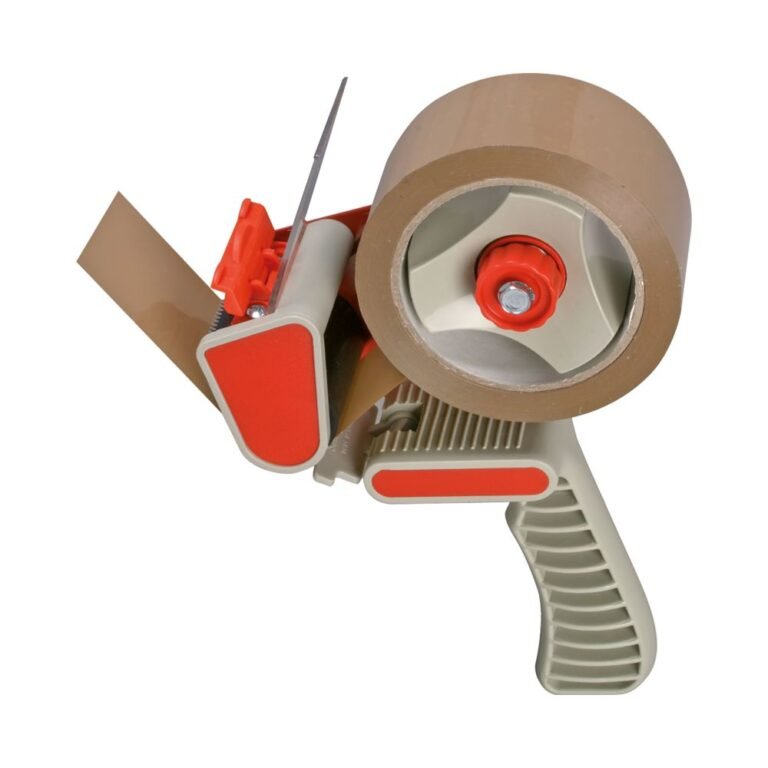
| Packing tape gun | Plastic and metal | Reuse, local recycling, or trash if mixed and damaged |
| Cardboard desktop dispenser | Paperboard and metal | Paper recycling only if your program allows it |
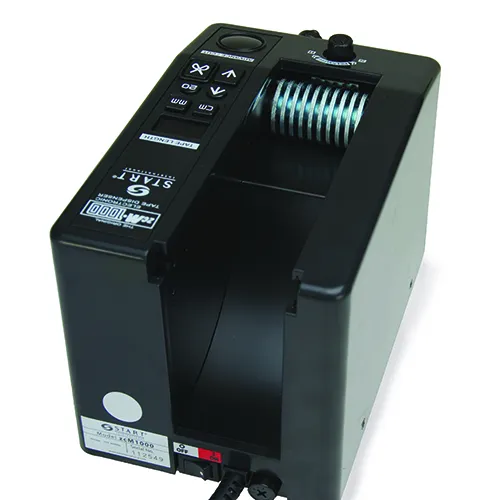
| Electric tape dispenser | Plastic, metal, wiring, and batteries | Electronic waste or manufacturer program |
| Decorative or novelty dispenser | Mixed materials | Reuse, donation, or trash |
The key point is simple: identify the main material and separate parts when you can do so safely.
Why Your Tape Dispenser Not Working (Quick Fixes to Save Your Sanity)
Can Plastic Tape Dispensers Go in the Recycling Bin?
A plastic tape dispenser can go in curbside recycling only if your local program accepts that type of rigid plastic item. Many U.S. recycling programs accept bottles, jugs, and containers but do not accept small plastic objects such as office tools, toys, or household accessories.
A number inside the recycling triangle does not change this rule. The number identifies the plastic resin. It does not mean the item has a recycling outlet in your area.
Before recycling a plastic dispenser:
- Remove the tape roll.
- Pull off loose labels and tape.
- Remove the cutting blade only if it can be done safely.
- Separate metal parts from the plastic body.
- Check your city, county, or waste hauler’s accepted-material list.
- Place the item in the bin only if the program specifically accepts it.
Do not put a loose sharp blade in a recycling bin. It can injure workers and damage machinery. If you cannot remove the blade safely, keep the dispenser intact and ask your local program how it should be handled.
Why many plastic dispensers are not accepted
Recycling facilities are designed to process specific streams. A curbside plant may be set up for containers, paper, cans, and cartons. It may not have a market or sorting method for small rigid plastic items.
A plastic dispenser may also contain:
- Several plastic types
- A glued-in metal blade
- Rubber feet
- Weighted sand or cement
- Adhesive residue
- Small springs or screws
These features make the item less suitable for standard curbside recycling. The plastic may be technically recyclable but still not accepted by your local facility.
Use the Earth911 recycling search tool to look for a nearby option. Confirm the result with the facility before making a trip, because accepted materials and drop-off rules can change.
What if the dispenser has a plastic recycling number?
Treat the number as identification, not permission. Check your local rules first.
A clean, single-material plastic dispenser may have a better chance at a specialty plastics program. However, many specialty programs focus on packaging and do not accept office supplies. If no program accepts it, reuse is usually better than sending it to a recycling facility that cannot process it.

How to Recycle Metal Tape Dispensers
Metal tape dispensers are often better candidates for scrap-metal recycling than for curbside recycling. Steel and aluminum have established recycling markets, but local rules still control what you can place in a bin.
A metal dispenser may be accepted at:
- A scrap-metal yard
- A household recycling center
- A city transfer station
- A community reuse or repair event
- A business recycling program
Remove the tape and as much plastic as possible. If the dispenser contains a sharp cutter, tell the drop-off site about it. Do not place a sharp, exposed blade loose in a recycling container.
A heavy packing-tape dispenser may contain a metal frame, plastic handle, rubber grip, and metal cutter. Because it is a mixed-material product, a scrap yard may accept it as light iron or mixed metal, or it may reject it. Call ahead and describe the item.
Can you put a metal tape dispenser in curbside recycling?
Usually, you should not assume that you can. Many curbside programs accept metal food and beverage cans but not metal tools or office equipment. A tape dispenser may also be too small or too sharp for automated sorting.
Follow your local program’s instructions. If the program does not list small metal household items, take the dispenser to a scrap-metal site or dispose of it as directed.
Should you remove the cutting blade?
Only remove the blade if you can do so without cutting yourself. Wear sturdy gloves, use the correct tool, and keep children and pets away from the work area.
If the blade is riveted, welded, or difficult to reach, do not force it. Wrap the item so the sharp edge cannot injure anyone, then ask your waste hauler for instructions. The safest disposal method is more important than recovering a small amount of metal.
How to Recycle Cardboard and Paper Tape Dispensers
A cardboard or paperboard tape dispenser may be recyclable with paper when it is clean, dry, and free of tape and non-paper parts. However, the cutting edge can change the answer.
Remove the remaining tape roll and any plastic core. Peel away labels if they come off easily. If the dispenser has a metal cutting strip, check whether your local paper program allows it. Some programs may accept a small attached metal part, while others may require the item to be discarded.
Do not recycle cardboard that is:
- Saturated with oil or food
- Wet or moldy
- Covered with heavy adhesive
- Laminated with plastic
- Mixed with large amounts of foam or tape
A small amount of normal tape residue may not matter for some paper programs, but large adhesive areas can lower paper quality. When in doubt, follow the rules from your local hauler rather than a general national list.
If the dispenser is still clean and useful, reuse it for crafts, school projects, gift wrapping, or light office work. Reusing a product avoids the need to sort and process it.
What to Do With Tape and Empty Tape Rolls
The dispenser and the tape roll usually need different disposal methods.
Most household adhesive tape is not accepted in paper recycling. This includes:
- Clear office tape
- Packing tape
- Masking tape
- Duct tape
- Decorative washi tape
- Double-sided tape
Tape can wrap around sorting equipment and contaminate paper. Remove tape from cardboard boxes before recycling the boxes when practical. A small amount left on a box may be tolerated by some programs, but large strips should be removed.
Empty tape rolls also vary:
- Paperboard cores: Often recyclable with paper if clean and dry.
- Plastic cores: Accepted only where the local program takes that type of plastic.
- Metal cores: May go to scrap metal if the facility accepts small pieces.
- Tape-covered cores: Usually belong in the trash unless the tape can be removed.
Do not place a roll of tape in the recycling bin just because its core is cardboard. The adhesive tape is a separate material and can cause problems in the paper stream.
How to Decide: Recycle, Reuse, Donate, or Throw It Away
Use this four-step decision process.
1. Reuse it if it still works
Reuse is often the simplest option for a working tape dispenser. Keep it at home, place it in a shared office supply area, or give it to a school, nonprofit, theater group, or community workshop.
This is especially useful for sturdy weighted dispensers. Their mixed construction may make recycling difficult, but their long service life makes reuse practical.
2. Donate it if it is clean and functional
Donation centers may accept office supplies, but policies differ. Call before dropping off a small item. A school or local mutual-aid group may be more likely to use it than a general thrift store.
Do not donate a dispenser with a loose blade, severe rust, broken housing, or exposed electrical parts.
3. Recycle it when the local program accepts it
Recycle the item only through a confirmed outlet. The correct outlet may be curbside recycling, scrap metal, a special plastics drop-off, or an electronics program.
A recycling symbol alone is not enough. Local acceptance is the deciding factor.
4. Put it in the trash when no safe option exists
Trash is the last choice, but it may be appropriate for a broken mixed-material dispenser that no facility accepts. Wrap or contain sharp parts so they cannot injure sanitation workers.
Never burn a plastic dispenser. Burning plastic can release harmful smoke and is unsafe in residential settings.
Quick decision table
| Condition | Best next step |
|---|---|
| Clean and working | Reuse or donate |
| Cardboard and mostly paper | Check paper recycling rules |
| Mostly metal | Ask a scrap-metal facility |
| Plastic with no local acceptance | Reuse, specialty drop-off, or trash |
| Sharp blade cannot be removed | Ask the waste provider before disposal |
| Battery-powered or electronic | Use an e-waste or battery program |
| Covered with tape or adhesive | Remove residue or discard as directed |
The best choice is the one that keeps the item useful or sends it to a facility that can actually process it.

Special Cases: Electric, Battery-Powered, and Industrial Dispensers
Automatic tape dispensers need extra care because they may contain motors, circuit boards, wiring, and batteries. Do not place an electronic tape dispenser in a regular recycling bin unless your local program specifically accepts it.
Remove batteries only if the manufacturer allows it and the battery compartment is designed for removal. Recycle batteries through a battery collection program. The EPA battery recycling guidance explains why batteries need separate handling.
For the electronic dispenser, check:
- The manufacturer’s return program
- Your city or county e-waste program
- A household hazardous-waste collection event
- An electronics recycler that accepts small equipment
Industrial tape dispensers may contain stronger blades, large springs, adhesives, or pneumatic parts. Follow workplace waste rules and the manufacturer’s instructions. Do not dismantle industrial equipment unless you are trained and have the right tools.
Common Mistakes to Avoid
Several disposal mistakes are easy to prevent.
Mistake 1: Putting every plastic item in the blue bin
Curbside programs often accept selected plastic containers, not every plastic product. Check the accepted-material list.
Mistake 2: Recycling tape with paper
Tape can tangle in machinery and contaminate paper. Remove large pieces before recycling boxes or paperboard.
Mistake 3: Leaving a sharp blade exposed
A loose blade can injure workers. Secure it or ask the waste provider for safe instructions.
Mistake 4: Assuming a recycling symbol guarantees acceptance
The symbol describes the material. It does not identify the services available in your community.
Mistake 5: Driving to a drop-off site without calling
Specialty facilities may accept only certain shapes, sizes, or resin types. Confirm hours and materials first.
Mistake 6: Disassembling a dispenser by force
A stuck blade, spring, or weighted base can cause injury. If the part does not come apart easily, stop and seek disposal guidance.

Frequently Asked Questions
Can you recycle tape dispensers in New York, California, or Texas?
Possibly, but state location alone does not determine the answer. Recycling rules usually depend on the city, county, local facility, or private waste hauler. Check the accepted-material list for your exact service area.
Are tape dispensers recyclable at Staples or other office-supply stores?
Some stores offer recycling programs for specific products, but office-supply collection rules differ by location and program. Contact the store before bringing a tape dispenser. Do not assume that a store’s general recycling service accepts all office supplies.
Can you recycle a tape gun?
Sometimes. A tape gun is usually a mix of plastic, metal, rubber, and adhesive residue. Reuse is often easiest. For a broken tape gun, ask a scrap-metal yard or local recycling center whether it accepts mixed small tools.
Can you recycle a Scotch tape dispenser?
The brand does not determine recyclability. Check whether the dispenser is plastic, metal, cardboard, or electronic, then follow your local program’s rules. The product label may provide material information, but local acceptance still controls.
Can you recycle a tape dispenser with a blade?
You may be able to recycle it through a metal or specialty program, but do not place it in curbside recycling without confirmation. Keep the blade covered and never place a loose sharp blade in a recycling bin.
What is the most environmentally responsible option?
For a clean, working dispenser, reuse is usually the most practical option. If it is broken, separate materials only when safe, confirm a local recycling outlet, and use the trash for parts that have no safe or accepted recycling path.
Key Takeaways
- Some tape dispensers can be recycled, but not all.
- Check local rules before using curbside recycling.
- Plastic dispensers are often excluded from programs that accept plastic containers.
- Metal dispensers may be accepted by scrap-metal facilities.
- Cardboard dispensers may qualify for paper recycling if clean and free of problem parts.
- Remove tape and adhesive residue when practical.
- Treat blades as sharp waste and handle them carefully.
- Send electric or battery-powered models to an appropriate electronics or battery program.
- Reuse or donate a working dispenser before recycling or discarding it.
Conclusion
The answer to “can you recycle tape dispensers?” is sometimes—but only through the right local program. Identify the main material, remove the tape, separate parts when safe, and confirm acceptance with your city, waste hauler, or drop-off facility.
If the dispenser still works, reuse or donation is often the best first choice. If it is broken, do not risk injury for a small amount of recyclable material. Cover sharp edges, ask for local guidance, and choose the safest approved disposal route.