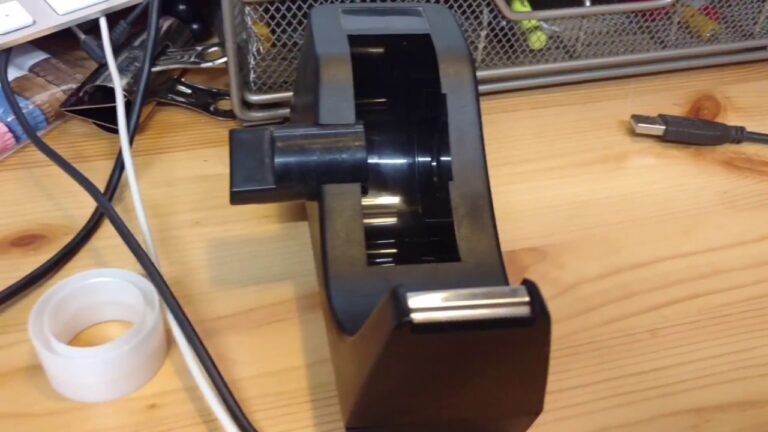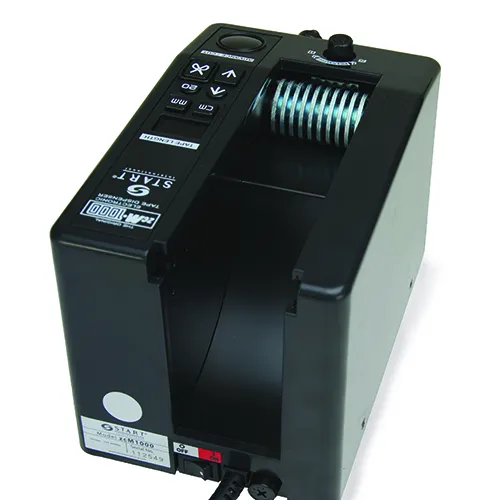
A packaging dispenser is a simple tool with a big job. It helps you apply, cut, wrap, and organize packaging materials with less effort. In a busy warehouse, the right dispenser can save hours each week. In a small shop, it can make every order feel faster and more professional.
Packaging dispensers come in many forms. Some handle carton tape. Others work with stretch film, strapping, labels, paper, or protective fill. The best choice depends on your material, package size, daily volume, and work space. This guide explains how packaging dispensers work, where they fit, and how to choose one with confidence.
What Is a Packaging Dispenser?
A packaging dispenser is a device that holds and releases a packaging material. It may guide, measure, tension, cut, or apply the material to a box or product. Common examples include tape guns, stretch film handles, strap carts, label dispensers, and paper packing machines.
Some dispensers are fully manual. You pull or push the material by hand. Others use a motor, sensor, or foot pedal. The goal is the same: make packing cleaner, faster, safer, and more consistent.
How a Packaging Dispenser Works
Most dispensers have four basic parts: a roll holder, a guide, a tension system, and a cutting or release point. You load the roll onto the holder. The material then passes through the guide. Tension keeps it from feeding too fast. A blade or cutter lets you finish the task.
The exact process changes by product type. A tape dispenser applies adhesive tape to a carton. A stretch film dispenser controls film tension around a pallet. A label dispenser presents one label at a time. Simple design often brings the best results because fewer parts mean fewer failures.
Packaging Materials Used With Dispensers
Packaging dispensers work with many materials, including:
- Carton sealing tape
- Water-activated paper tape
- Filament tape
- Stretch film
- Shrink film
- Polypropylene strapping
- Polyester strapping
- Steel strapping
- Shipping labels
- Kraft paper
- Bubble wrap
- Foam
- Air pillows
- Corrugated sheets
- Poly mailers
Always check material width, roll length, roll weight, and core size before buying. A dispenser may look suitable but still fail if the roll does not fit.
Packaging Dispenser vs. Manual Packaging
Manual packaging without a dispenser often means holding a roll in one hand and cutting with scissors or a knife in the other. This method works for occasional use. It becomes slow and tiring when order volume grows.
A dispenser gives the material a fixed path. It reduces searching, pulling, and cutting. It also helps create repeatable seals and wraps. In many workplaces, the tool pays for itself through time savings and fewer damaged packages.
Where Packaging Dispensers Are Used
Packaging dispensers are used in homes, stores, offices, warehouses, factories, and shipping centers. E-commerce sellers use them to seal daily orders. Manufacturers use them to secure parts and finished goods. Moving companies use stretch film and tape dispensers to protect furniture and cartons.
They are also useful in retail stockrooms, subscription-box businesses, print shops, food distribution, and repair centers. If a task involves a roll of packaging material, a dispenser may make that task easier.
Types of Packaging Dispensers
Packaging dispensers are grouped by material, power source, size, and use. The main categories include tape dispensers, film dispensers, strapping dispensers, label dispensers, and void-fill dispensers.
The right category should come first. Do not begin with a brand or price. Begin with the packaging job. A perfect tape dispenser will not help if your main need is pallet wrapping.
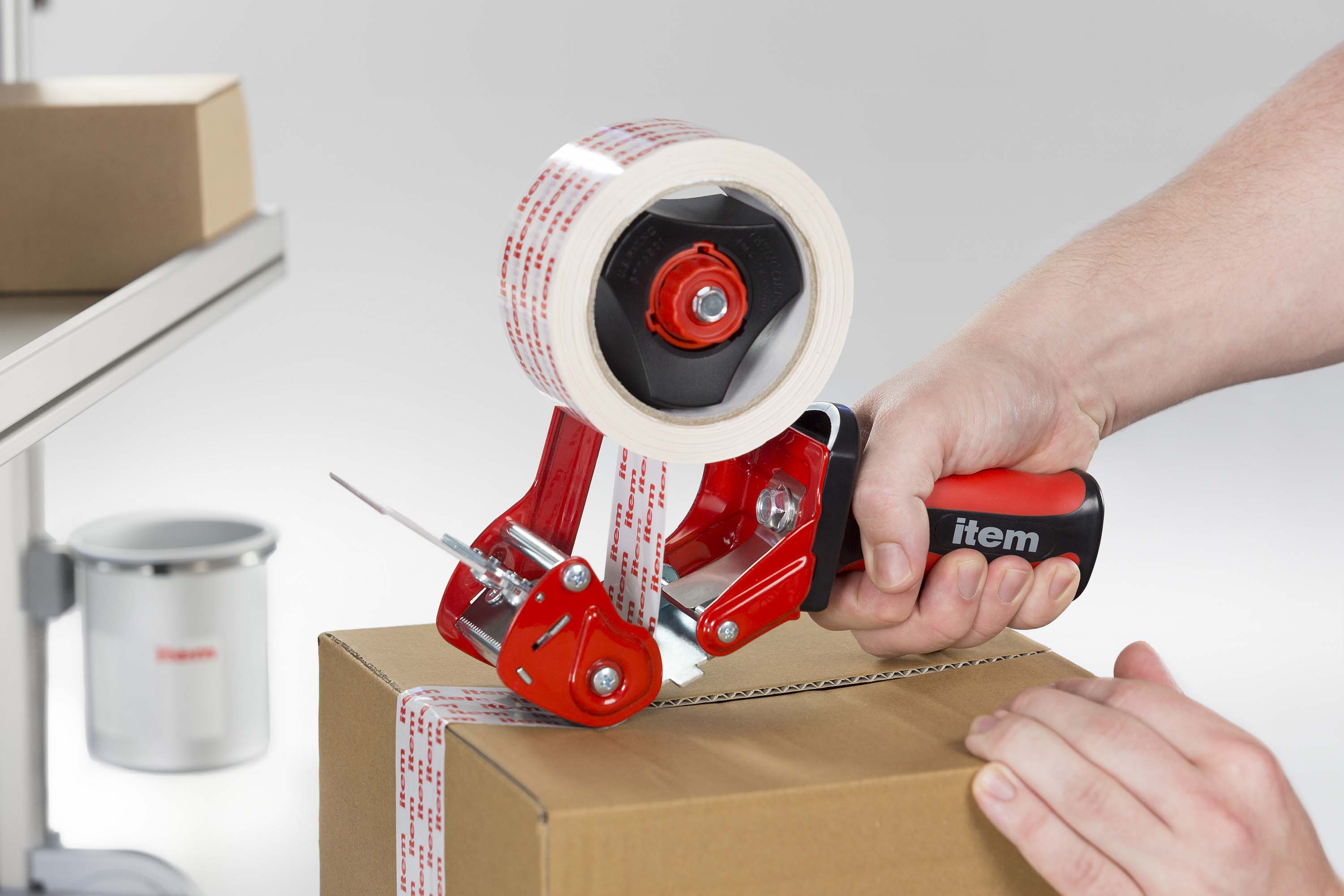
Packing Tape Dispensers
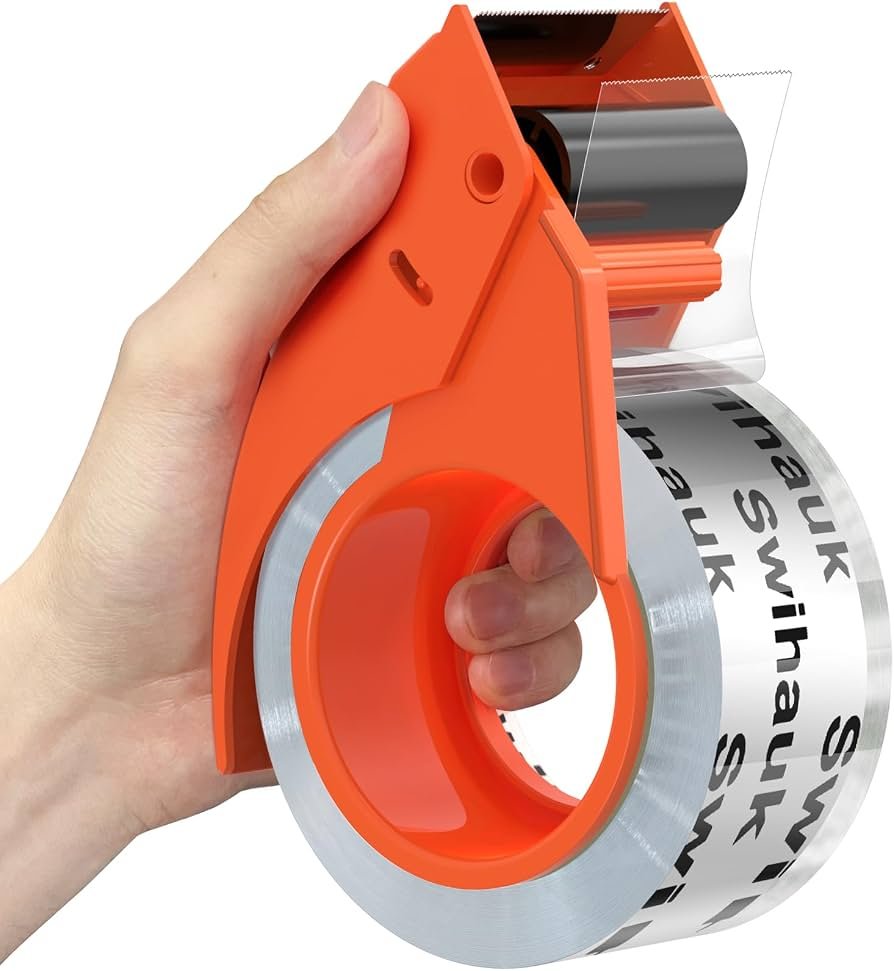
Packing tape dispensers hold a roll of adhesive tape and help you apply it to cartons. Most include a sharp cutting blade and a brake or tension plate. Many have a pistol grip for fast, one-handed use.
Tape dispensers are common in shipping rooms because they reduce the need for scissors. They also help users apply a steady strip along the box seam.
Handheld Tape Dispensers
Handheld tape dispensers are light, portable, and easy to use. They are often called tape guns. A user grips the handle, presses the tape onto the carton, and pulls the tool across the seam.
These dispensers are a strong choice for e-commerce, retail, and small warehouses. Look for a balanced frame, a smooth roll holder, and a guarded cutting blade.

Desktop Tape Dispensers
Desktop tape dispensers stay on a desk or packing bench. They are useful for small boxes, gift wrapping, labels, and light-duty sealing. Many allow the user to pull and cut tape with one hand.
A desktop model saves bench space when it has a compact base. A weighted base is helpful because it prevents the dispenser from sliding during use.
Tabletop Packaging Dispensers
Tabletop dispensers can handle more than tape. Some feed paper, bubble wrap, labels, or multiple types of protective material. They are often placed at a fixed packing station.
These units help create a steady work rhythm. The operator reaches for the material, uses the required amount, and moves to the next order.
Manual Packaging Dispensers
Manual dispensers depend on hand movement. They are affordable, easy to install, and simple to repair. They also use no electricity, which makes them useful in mobile or temporary work areas.
Manual tools are best when volume is low or moderate. They may be less suitable when one worker must package hundreds of cartons per hour.
Automatic Packaging Dispensers
Automatic dispensers use motors, sensors, foot pedals, or preset controls. They may measure a set length and cut the material without constant hand movement.
These systems help reduce variation. They are useful in high-volume operations where the same size of tape, paper, or film is used again and again.
Electric Packaging Dispensers
Electric packaging dispensers use a power cord to drive feeding and cutting parts. They often offer quick operation and accurate lengths. Some are designed for tape. Others handle paper, labels, or void fill.
Before buying one, check power needs, noise levels, cleaning steps, and replacement parts. An electric tool should save more time than it takes to set up.
Multi-Roll Packaging Dispensers
Multi-roll dispensers hold two or more rolls at once. They help a packing team keep different tape sizes, colors, or materials within reach.
A multi-roll unit is useful when orders need several materials. It can also reduce clutter. Make sure each roll has a clear path so materials do not cross or tangle.
Industrial Packaging Dispensers
Industrial dispensers are built for heavy use. They may have steel frames, large roll capacity, adjustable tension, and replaceable blades. Some connect to conveyor lines or automated packaging systems.
These tools cost more, but they are designed for long work cycles. They are a better fit for distribution centers and factories than for occasional home use.
Packaging Tape Dispensers
Tape dispensers are among the most common packaging tools. They improve tape control and help workers seal cartons in one smooth motion. The best model depends on tape type, carton weight, and daily use.
A good tape dispenser should feed tape smoothly, cut it cleanly, and feel stable in the hand. It should also protect the user from accidental contact with the blade.
Standard Carton Sealing Tape Dispensers
Standard carton sealing tape dispensers work with common acrylic, hot melt, and solvent-based tapes. They are made for sealing the top and bottom seams of corrugated boxes.
Most accept tape widths near 2 inches. Confirm the exact width and core size before purchase. A smooth tension brake is important because it stops loose loops and tape waste.
Heavy-Duty Tape Dispensers
Heavy-duty tape dispensers use stronger frames and wider handles. They are made for thick cartons, rough surfaces, and frequent use. Some can handle reinforced or extra-strong tape.
These tools are useful in shipping warehouses and manufacturing plants. Their weight may be tiring for light work, so match the tool to the task.
Adjustable Tape Dispensers
Adjustable tape dispensers let you change tension, roll position, or tape width. This flexibility helps when a work area uses more than one tape type.
Adjustable parts should move firmly but not loosely. Clear markings are helpful because they let users return to a known setting.
Water-Activated Tape Dispensers
Water-activated tape dispensers wet the adhesive on paper tape before it reaches the carton. The tape bonds well to corrugated fiber and can create a clean, tamper-evident seal.
Manual water-activated dispensers work with a lever or handle. Electric versions can measure and cut set lengths. These tools are popular for sustainable packaging programs because paper tape is easy to recycle with many corrugated boxes.
Filament Tape Dispensers
Filament tape contains strong fibers that resist tearing. It is used for heavy cartons, bundled items, and difficult loads. A dispenser must have a strong cutting edge because filament tape can be harder to cut than standard tape.
Use firm, controlled pressure. Pulling too fast may cause the tape to lift or split.
Pistol-Grip Tape Dispensers
Pistol-grip models offer a natural hand position. The handle supports fast carton sealing and helps keep the wrist in a neutral angle.
Choose a grip that fits your hand. A handle that is too large can create strain. A rubber surface can help when workers use gloves or work in a cool area.
Safety Blade Tape Dispensers
Safety blade models shield part of the cutting edge. They lower the chance of accidental cuts while still allowing a clean tape break.
They are useful in shared work areas, schools, stores, and facilities with strict safety rules. A protected blade is not a reason to skip safe handling. Users still need to keep fingers away from the cutting zone.
Stretch Film and Shrink Film Dispensers
Stretch film dispensers control thin plastic film as it wraps around cartons, products, or pallets. They help manage tension and keep the film from twisting.
Shrink film dispensers may include a cutting tool or heat system, depending on the application. Heat-based shrink equipment requires extra training because hot surfaces can cause burns.
Handheld Stretch Film Dispensers
Handheld stretch film dispensers are small handles that hold a roll of film. They make it easier to stretch film around boxes, bundles, and light loads.
Some models have adjustable brakes. This lets users change film tension. A brake that is too loose wastes film. A brake that is too tight can tear it.
Pallet Wrap Dispensers
Pallet wrap dispensers are made for large rolls of stretch film. They may have long handles, foot plates, or a two-person design. Some are built into mobile pallet wrapping machines.
The main benefit is control. The user can wrap at a steady height and tension without bending as much.
Adjustable Stretch Film Handles
Adjustable handles fit different roll widths and core sizes. They may also allow tension changes for light or heavy loads.
These handles are helpful when one packing area uses several film products. They reduce the need to buy a separate tool for every roll.
Stretch Film Dispenser vs. Manual Wrapping
Wrapping film by hand can cause uneven tension and wasted material. It may also force the user to twist the wrist or bend often.
A dispenser gives the roll a stable grip. It helps the film stretch across the load instead of bunching in one spot. This can improve load stability and reduce film use.
Choosing the Right Film Width
Film width should match the size and shape of the load. Narrow film works well for small bundles. Wide film is better for pallets and large cartons.
Also consider film thickness. Thin film needs careful tension. Thick film may require a stronger brake and a durable cutter.
Strapping Dispensers
Strapping dispensers hold and release plastic or steel strap. Many are mounted on wheels so workers can move them around a packing area.
The dispenser should keep the strap roll stable. It should also prevent loose strap from falling to the floor, where it may create a trip hazard.
Polypropylene Strap Dispensers
Polypropylene, or PP, strap is light and flexible. It is often used for cartons, printed materials, and light bundles. PP strap dispensers are usually compact and easy to move.
Choose a model with a smooth center spindle. Rough movement can damage the strap or create feed problems.
Polyester Strap Dispensers
Polyester, or PET, strap is stronger and more rigid than PP strap. It is used for heavier loads and products that need more tension.
A durable dispenser is important because PET rolls can be heavy. Wheels and a stable frame make movement easier.
Steel Strapping Dispensers
Steel strap is strong and can have sharp edges. Steel strapping dispensers often include a brake, wheels, and a protective frame.
Users should wear gloves and eye protection when working with steel strap. The dispenser should keep the roll secure and reduce sudden release.
Portable Strapping Dispensers
Portable strapping dispensers have handles or light frames. They are useful when packing takes place in several areas.
Portability should not reduce stability. A good portable model stays upright and does not roll away during use.
Cart-Mounted Strapping Dispensers
Cart-mounted models combine a dispenser with storage for tools and accessories. They may hold cutters, seals, tensioners, and spare rolls.
This setup can improve workflow. Everything travels with the operator instead of being scattered around the warehouse.
Label and Shipping Material Dispensers
Labels and shipping materials also benefit from controlled dispensing. A label dispenser separates labels from a liner and presents the next one in the correct position.
Paper and mailer dispensers can reduce clutter and speed up order packing. They are especially useful when every order follows a similar process.
Label Dispensers
Label dispensers hold rolls of adhesive labels. They peel each label from its backing and make it easy to grab.
Some models hold one roll. Others hold several sizes. Choose a dispenser with guides that fit the label width and liner thickness.
Shipping Label Dispensers
Shipping label dispensers are made for address labels, barcode labels, and carrier stickers. They help workers avoid touching the adhesive surface.
A clean label application improves scanning and reduces returns caused by unreadable barcodes.
Paper Dispensers
Paper dispensers feed kraft paper, crinkle paper, tissue, or other packing paper. Some cut paper to a fixed length. Others make paper cushions as they feed.
Paper dispensers can replace loose stacks of packing paper. This keeps the station cleaner and makes material use easier to track.
Poly Mailer Dispensers
Poly mailer dispensers hold bags or mailers in a roll or hanging stack. They help workers pull one bag at a time.
This type is useful for clothing, soft goods, and lightweight products. The dispenser should prevent bags from sliding onto the floor.
Void Fill and Protective Packaging Dispensers
Void-fill dispensers release material used to protect products inside a box. Examples include paper, bubble wrap, foam, and air pillows.
A good system helps the packer take only the amount needed. This can reduce material waste and keep the box from becoming overfilled.
Manual vs. Automatic Packaging Dispensers
The best power choice depends on volume, budget, and work speed. Manual tools are simple and flexible. Automatic tools are faster and more consistent.
A small seller may need only a tape gun and a paper dispenser. A large fulfillment site may need powered systems linked to scales, printers, and conveyors.
Manual Packaging Dispensers
Manual dispensers have a low purchase cost and minimal setup. They are easy to move and simple to teach.
They work well when order sizes and material lengths change often. They may not be ideal for repetitive, high-volume work.
Automatic Packaging Dispensers
Automatic dispensers are helpful when the same task repeats many times. They can feed exact lengths and reduce hand motion.
They need power, cleaning, and planned maintenance. A sensor failure or jam can stop the process, so spare parts and support matter.
Electric vs. Battery-Powered Dispensers
Electric models provide steady power and are suited to fixed stations. Battery-powered units offer freedom of movement and are useful for mobile work.
Check battery life, charge time, replacement cost, and battery weight. A cordless tool is not useful if it stops during the busiest part of the day.
Speed and Labor Savings
A dispenser saves time by reducing small delays. The worker does not need to find scissors, measure tape, or fight a loose roll.
The savings grow with volume. If a tool saves 10 seconds per package and your team handles 1,000 packages, that equals more than two and a half hours.
Maintenance Requirements
Manual tools need cleaning, blade checks, and occasional tightening. Automatic systems need more care, including sensor checks and electrical inspection.
Maintenance is not just a cost. It protects speed and safety. A clean cutter is less likely to jam or force the user to apply extra pressure.
Cost Differences
Manual dispensers usually cost less at the start. Automatic models cost more but may lower labor cost over time.
Compare total cost, not just the purchase price. Include blades, batteries, repairs, training, energy, and downtime.
A Complete Guide To Tape Dispenser: Find The Right One For Every Job
How to Choose a Packaging Dispenser
Start with the material. Then study the roll, task, volume, and work area. This order prevents many buying mistakes.
A useful dispenser should fit the real job, not an imagined one. More features do not always mean better performance.
Identify the Packaging Material
Decide whether you need tape, film, strap, labels, paper, or void fill. Each material needs a different feed path and cutting method.
Do not use a general tool when the material needs special control. For example, water-activated tape requires a wetting system.
Check Roll Width and Core Size
Measure the roll width, outside diameter, and core diameter. Also check the roll weight.
The dispenser must support the full roll without rubbing or slipping. A poor fit can cause uneven feed and early wear.
Consider Daily Packaging Volume
Estimate how many packages one worker handles each day. Occasional use may call for a simple manual tool. High volume may justify a powered or industrial model.
Think about peak days too. A tool that works on a quiet day may fail during seasonal demand.
Match the Dispenser to Package Size
Small cartons need a different approach from large boxes or pallets. A short tape gun may be perfect for parcel shipping but awkward for oversized cartons.
For pallet work, choose a tool that reduces bending and provides enough film or strap control.
Check Blade and Cutting Mechanism
The blade should cut cleanly without excessive force. It should also be replaceable when possible.
A guarded blade improves safety. Look for a cutter that stays firm and does not wobble.
Look for Adjustable Tension
Tension control is important for tape, stretch film, and strapping. It lets you match the tool to the material and load.
Too little tension creates waste. Too much tension can break the material or damage the package.
Consider Ergonomics and Grip
The handle should fit the hand and support a natural wrist angle. Weight should be balanced near the center of the tool.
If possible, test the tool with the gloves your team uses. A comfortable grip can reduce fatigue during long shifts.
Check Build Quality
Look at the frame, roll holder, fasteners, blade mount, and moving parts. These areas receive the most stress.
A strong tool should feel stable without being unnecessarily heavy. Avoid parts that bend, rattle, or feel poorly joined.
Consider Portability
A portable dispenser is helpful when products are packed in several places. A fixed unit is better when every order passes through one station.
Wheels, handles, and cord length can affect daily use more than expected. Make sure the tool can move safely through the work area.
Think About Storage and Workspace
Measure the available bench, floor, and shelf space. The dispenser should be easy to reach but not block walkways.
A small workspace benefits from vertical storage, wall mounts, or compact tabletop units.
Packaging Dispenser Materials and Build Quality
The material of the dispenser affects weight, strength, cost, and service life. Plastic can be light and affordable. Steel can handle repeated impact. Aluminum offers strength with lower weight.
No single material is best for every task. The right build is the one that matches the work.
Plastic Packaging Dispensers
Plastic dispensers are often light and low cost. They resist some forms of rust and are easy to clean.
High-quality plastic can last for years in light or medium use. Low-quality plastic may crack near the handle or roll holder.
Steel Packaging Dispensers
Steel frames provide strong support for heavy rolls and rough work. They are common in industrial tape, strap, and film dispensers.
Steel can be heavier and may need protection from moisture. A coated frame helps resist rust.
Aluminum Packaging Dispensers
Aluminum offers a useful balance of low weight and strength. It is often found in professional and industrial tools.
It may cost more than plastic. The added durability and easier handling can make that cost worthwhile.
Rubber-Grip Handles
Rubber or soft-touch grips improve comfort and control. They are especially helpful when hands are tired or gloves are worn.
The grip should stay attached and resist oils, dust, and common cleaning products.
Blade Materials
Blades may be made from carbon steel, stainless steel, hardened steel, or other alloys. Hardened steel often holds an edge well. Stainless steel offers better corrosion resistance.
A sharp blade is safer than a dull blade because it needs less force. Replace damaged blades rather than trying to reshape them.
What Makes a Dispenser Durable?
Durability comes from good design, not only thick material. Strong joints, protected bearings, stable roll holders, and replaceable wear parts all matter.
A durable dispenser also survives daily cleaning and normal drops. It should keep working without loose parts or rough feeding.
How to Use a Packaging Dispenser Properly
Correct use protects the tool and the user. Read the product instructions before loading a new model. Teach every worker the same basic method.
A smooth process should feel controlled, not rushed. Let the dispenser guide the material.
Loading the Roll
Place the roll on the spindle in the direction marked by the manufacturer. The material should unwind toward the guide or cutting edge.
Make sure the roll sits straight. A tilted roll often causes rubbing, wrinkles, or uneven feeding.
Threading Packaging Material
Pass the tape, film, paper, or strap through the guide path. Keep fingers away from the blade while threading.
Pull a short length by hand to confirm that the material moves freely. Fix the path before starting the package.
Setting the Correct Tension
Begin with low or medium tension. Increase it only when the material feeds too freely.
Test the setting on a sample package. The material should stay flat and secure without stretching beyond its useful limit.
Holding the Dispenser
Hold the handle with a firm but relaxed grip. Keep your wrist straight when possible. Use your other hand to steady the carton or load.
Do not wrap fingers around the blade area. A good grip gives control without blocking the cutting path.
Applying Tape to a Carton
Start near one edge of the carton seam. Press the tape down as you move across the box. Keep the tool at a steady angle.
For stronger seals, extend the tape over the box edges. This method is often called the H-seal because it covers the center seam and both side seams.
Cutting Tape Cleanly
When the tape reaches the desired point, angle the cutter toward the tape and use a smooth motion. Do not saw back and forth unless the tool is designed for that action.
Keep the blade away from your hand and the product inside the carton. A clean cut leaves a short, secure end.
Wrapping Stretch Film Correctly
Start at the lower part of the load. Overlap each pass as you move upward. Keep the film close to the load and maintain steady tension.
Finish with extra passes around the top and bottom. Do not wrap so tightly that cartons collapse or products deform.
Avoiding Uneven Application
Uneven tape or film often comes from poor alignment, wrong tension, or a damaged roll. Stop and correct the cause rather than pulling harder.
A level hand motion helps. For pallets, walk at a steady pace and keep the film angle consistent.
Packaging Dispenser Setup for a Packing Station
A good packing station works like a well-designed kitchen. Every common tool has a clear place. The worker should not twist, bend, or search for basic supplies.
Place the dispenser where the operator can reach it without crossing the package path. This supports speed and reduces strain.
Where to Position the Dispenser
Put the main dispenser on the dominant-hand side of the worker. Keep the material roll close to the carton surface.
Do not place blades at the edge of a crowded bench. A secure mount or heavy base can prevent accidental movement.
Organizing Multiple Packaging Materials
Use labeled holders for tape, labels, paper, film, and straps. Separate materials by size or purpose.
Color coding can help. For example, one tape color may identify a fragile shipment while another marks internal cartons.
Creating an Ergonomic Packing Station
The work surface should be near elbow height. The worker should be able to see the carton without bending deeply.
Provide a mat for standing tasks. Rotate repetitive work when possible and allow short breaks during long shifts.
Keeping Frequently Used Materials Within Reach
Place the most-used tape, labels, and cutters in the first reach zone. Store extra rolls nearby but out of the way.
A simple reach plan can save many small movements. Those movements add up over a full shift.
Small Business Packing Station Ideas
A small business can use a folding table, wall shelf, desktop tape dispenser, label holder, and compact paper dispenser. Clear bins can hold mailers and labels.
Use vertical space when floor space is limited. Keep one spare roll of each key material near the station.
Warehouse Packing Station Setup
A warehouse station may include a carton stand, tape dispenser, label printer, scale, void-fill dispenser, and waste bin. Place them in the order used during packing.
For multiple workers, use standard layouts. Consistent stations make training easier and reduce misplaced tools.
Common Packaging Dispenser Problems
Most dispenser problems come from poor loading, wrong tension, worn blades, or incompatible materials. A short inspection often finds the cause.
Do not force a jam. Forcing can damage the tool and create a safety risk.
Tape Dispenser Not Cutting
A dull or bent blade is the most common cause. Adhesive buildup can also block the cutting edge.
Clean the blade area and test the tool. Replace the blade if it remains dull or damaged.
Tape Getting Stuck
Tape may stick when adhesive collects on the guide or blade. A roll that is too wide can also rub against the frame.
Remove residue, check alignment, and confirm roll compatibility.
Tape Not Feeding Smoothly
A tight brake, bent spindle, or uneven roll can stop smooth feeding. Check that the roll turns freely.
Adjust tension in small steps. Do not loosen it so much that the roll spins without control.
Tape Tearing Too Early
The blade may touch the tape before the desired point. The user may also be applying too much cutting pressure.
Review the cutting angle and check whether the blade mount is loose.
Tape Sticking to the Dispenser
Adhesive buildup is common in warm or dusty areas. It can make the roll drag and leave residue on other parts.
Clean the contact points often. Avoid harsh solvents that may damage plastic or painted surfaces.
Stretch Film Dispenser Slipping
A slipping handle may have a loose core grip or worn brake. The film roll may also be too large or heavy for the tool.
Stop and secure the roll. A slipping tool can cause uneven wrapping and hand strain.
Roll Spinning Too Fast
Fast spinning usually means tension is too low. It may also signal a worn brake or missing washer.
Increase tension slightly and test again. Replace worn parts if the problem returns.
Uneven Packaging Material
Wrinkles, gaps, and loose sections may result from poor alignment or inconsistent movement. Check the roll edges for damage.
Use a steady path and keep the dispenser level. Training often solves this problem faster than changing equipment.
How to Clean and Maintain a Packaging Dispenser
Clean tools work better and last longer. Dust, adhesive, paper fibers, and plastic scraps can build up near guides and blades.
Set a simple care routine. A few minutes of maintenance can prevent a full stop later.
Removing Tape Adhesive
Use a cleaner approved for the dispenser material. Apply it to a cloth rather than pouring it onto the tool.
Wipe the frame, guide, spindle, and blade area. Let the surface dry before loading tape.
Cleaning the Cutting Blade
Remove loose debris with a brush or cloth. Do not touch the sharp edge directly.
If the blade is coated with adhesive, follow the tool maker’s cleaning instructions. Replace it if cleaning does not restore a clean cut.
Checking Moving Parts
Inspect the spindle, brake, rollers, hinges, and springs. Look for rough motion, cracks, rust, or missing fasteners.
Move each part gently. A grinding sound may show that a bearing or guide needs service.
Tightening Loose Components
Use the correct screwdriver or wrench. Tighten loose screws until secure, but do not over-tighten plastic parts.
Mark frequently loose fasteners for regular checks. Thread-locking products should be used only when approved for the tool.
Replacing Worn Blades
Follow the manufacturer’s replacement method. Wear cut-resistant gloves when appropriate, but do not rely on gloves alone.
Dispose of old blades in a sharps container or another safe system. Never leave a loose blade on a packing bench.
Packaging Dispenser Maintenance Schedule
A practical schedule may include:
- Daily: remove scraps and check the blade area.
- Weekly: clean guides and inspect tension parts.
- Monthly: tighten fasteners and check roll compatibility.
- Every few months: replace worn blades and inspect the frame.
- As needed: service motors, sensors, batteries, and electrical parts.
Heavy-use sites may need more frequent checks.
Packaging Dispenser Safety
Packaging tools reduce risk when used correctly, but they still contain blades, tensioned materials, and moving parts. Train workers before independent use.
Keep instructions near the station. Clear rules are easier to follow than assumptions.
Safe Blade Handling
Keep blades covered when the tool is not in use. Point the cutting edge away from people and products.
Never catch a falling dispenser by the blade area. Place damaged tools out of service until repaired.
Preventing Hand Injuries
Use the handle as designed. Avoid placing fingers under tape, film, or strap while pulling tension.
Change tasks or take short breaks during long repetitive sessions. Pain is a warning, not a normal part of packing.
Safe Tape Cutting
Cut away from the body. Keep the other hand behind the cutting path.
Do not use a damaged cutter. A dull blade often causes more force and less control.
Using Heavy-Duty Dispensers Safely
Heavy tools and rolls may require two-person lifting. Use carts for large rolls and keep feet clear when moving equipment.
Secure the load before applying tension. A loose load can shift or fall when wrapped.
Workplace Packaging Safety
Keep floors free of loose strap, film, and paper. Remove waste often. Maintain clear paths around packing stations.
Employers should provide training, safe tools, and clear procedures. Safety is part of productivity because injuries and stops cost time.
Personal Protective Equipment
PPE may include cut-resistant gloves, safety glasses, work shoes, and hearing protection. The correct choice depends on the material and task.
Gloves should not reduce grip or hide damage. Replace worn PPE before it fails.
Packaging Dispensers for Different Applications
A dispenser should match the setting. A home mover does not need the same tool as a parcel hub. Application, volume, and material should guide the purchase.
Packaging Dispensers for E-Commerce
Online sellers often need tape dispensers, label dispensers, mailer holders, and paper or air-fill systems. Compact tools are useful when space is limited.
A handheld tape gun and desktop label dispenser can improve speed at a low cost.
Packaging Dispensers for Warehouses
Warehouses need durable tools that support long shifts. Mobile film dispensers, strap carts, and industrial tape tools are common choices.
Standardizing tools across stations makes training and maintenance easier.
Packaging Dispensers for Retail Stores
Retail stores often need small tape, label, and paper dispensers. Tabletop models work well in stockrooms and gift-wrap areas.
Quiet operation and compact design may matter more than extreme speed.
Packaging Dispensers for Manufacturing
Manufacturing sites may use heavy-duty tape, strapping, labels, and protective film. Tools should resist dust, impact, and long work cycles.
Industrial dispensers can support consistent packaging before products enter storage or shipping.
Packaging Dispensers for Moving House
Moving jobs often use stretch film, carton tape, and furniture wrap. A handheld film dispenser helps protect drawers, doors, and grouped items.
Choose tools that are easy to carry from room to room. A portable setup is more useful than a fixed bench unit.
Packaging Dispensers for Small Businesses
Small businesses benefit from flexible manual tools. A tape gun, label dispenser, paper holder, and mailer rack may cover most needs.
Buy replacement blades and spare rolls at the same time. Downtime is frustrating when one low-cost part stops the whole process.
Packaging Dispensers for Heavy-Duty Shipping
Heavy-duty shipping needs strong film, strap, or tape control. Choose a tool that matches the load weight and surface.
For large volumes, consider powered systems or pallet wrapping equipment. The main goal is stable loads with less worker strain.
Packaging Dispenser vs. Packaging Machine
A packaging dispenser releases or controls material. A packaging machine performs a larger packaging process, such as forming boxes, filling products, sealing cartons, weighing packages, or applying labels automatically.
The line between the two can be narrow. Some advanced dispensers include motors and sensors, but they still focus on one material or task.
What a Packaging Dispenser Does
A dispenser usually:
- Holds a roll
- Controls material flow
- Applies or presents material
- Cuts or separates material
- Helps reduce waste
- Supports manual or semi-automatic work
It is often a focused tool rather than a full production system.
What a Packaging Machine Does
A packaging machine may feed products, form cartons, fill bags, seal packages, print labels, and move items through a line.
Machines need more space, training, power, and service. They are best when volume and consistency justify the investment.
Automation Level
A tape gun has low automation. A preset electric tape dispenser has moderate automation. A conveyor-based carton sealing line has high automation.
Choose the lowest level that solves the problem well. Simple systems are often easier to change when products or package sizes shift.
Cost and Maintenance
A dispenser costs less and is easier to maintain. A machine can save more labor but may need technical support and planned downtime.
Consider the full operation. A machine that runs fast but stops often may not beat a reliable manual tool.
Which Is Better for Small Businesses?
Most small businesses should start with manual or semi-automatic dispensers. They offer flexibility and low risk.
Move toward machines when labor time, order volume, or quality demands show a clear need. Growth should guide automation.
How Much Do Packaging Dispensers Cost?
Prices vary by material, build, capacity, and automation. Basic plastic tape dispensers may cost only a small amount. Industrial powered systems can cost hundreds or thousands of dollars.
Treat price as one part of value. A cheaper tool may cost more if it wastes material or fails often.
Budget Packaging Dispensers
Budget models suit occasional use, home moves, and small order volumes. They may use plastic frames and basic blades.
Choose a budget model when the workload is light and replacement is easy. Do not use a light tool for heavy industrial work.
Mid-Range Packaging Dispensers
Mid-range models often provide better balance, adjustable tension, stronger frames, and replaceable parts.
They are a good fit for growing e-commerce sellers, retail stores, and small warehouses.
Industrial Packaging Dispensers
Industrial models support long shifts and heavy rolls. They may include steel parts, motors, sensors, carts, or connection points for production lines.
Their value comes from uptime, speed, and lower labor strain. Buy from a supplier that offers service and parts.
What Features Are Worth Paying For?
Useful paid features include:
- Adjustable tension
- Replaceable blades
- Strong roll holders
- Safety guards
- Ergonomic grips
- Exact length control
- Easy loading
- Local replacement parts
- Durable wheels
- Stable bases
Avoid features that do not support your actual work.
When a Cheap Dispenser Makes Sense
A low-cost dispenser makes sense for occasional sealing, seasonal use, or a backup station. It can also be useful for testing a new material.
The key is to set clear limits. Do not expect a basic plastic tool to perform like an industrial unit.
Best Packaging Dispenser Features to Look For
The best features improve control, comfort, safety, or service life. A long feature list is less useful than a tool that works well every day.
Focus on the parts you will touch and adjust often.
Adjustable Tension
Adjustable tension helps control tape, film, and strap. It supports different roll types and package sizes.
The adjustment should be easy to reach but firm enough to stay in place.
Sharp and Safe Cutting Blade
The blade should cut with low force and include a guard when possible. A replaceable blade lowers long-term cost.
Avoid tools with exposed, loose, or poorly mounted cutters.
Ergonomic Handle
A good handle supports a neutral wrist and a relaxed grip. It should not create pressure points.
Comfort matters most when one worker uses the tool hundreds of times per day.
Roll Compatibility
Check width, core, diameter, and weight. Compatibility prevents jams and early wear.
A tool that supports several roll types can offer useful flexibility.
Non-Slip Grip
A non-slip grip improves control with bare hands or gloves. It is especially helpful when film or tape tension is high.
The surface should remain comfortable during long use.
Durable Frame
A durable frame resists bending, impact, and repeated loading. It should protect the roll and moving parts.
Look for strong joints and a stable blade mount.
Easy Loading
Workers should be able to load the roll without tools or complex steps. Clear instructions reduce training time.
Poor loading design often leads to wrong threading and wasted material.
Replacement Parts
Blades, springs, rollers, batteries, and guides may wear out. Confirm that parts are available before buying.
A tool with replaceable parts can stay useful much longer.
Safety Features
Useful safety features include blade guards, tension controls, stable bases, lockouts, and protected moving parts.
Safety should be clear and easy to use. A feature that workers cannot understand will not provide much protection.
Common Packaging Dispenser Buying Mistakes
Most mistakes happen when buyers focus on the tool alone instead of the whole packaging process. Study the material, worker, package, and work area together.
Buying for Price Alone
The lowest price may mean weak parts, poor cutting, and no replacement support. The highest price may include features you never use.
Compare cost with workload and expected service life.
Ignoring Roll Compatibility
A roll that does not fit can cause constant trouble. Check all measurements before ordering.
If you use several materials, test each one with the dispenser.
Choosing the Wrong Dispenser Type
A tape gun cannot replace a stretch film handle. A label dispenser cannot manage steel strap.
Start with the material and task, then select the tool.
Overlooking Ergonomics
A tool may work well but still cause hand or wrist pain. Weight, grip shape, and balance matter.
Ask the person who will use it most to test the design.
Ignoring Replacement Parts
A worn blade should not require replacing the entire dispenser. Check parts availability and repair instructions.
Supplier support matters more as volume grows.
Buying More Automation Than You Need
Automation can add cost and maintenance without solving a real problem. It may also reduce flexibility for different package sizes.
Measure current delays before choosing a powered system.
How We Evaluate Packaging Dispensers
A useful review should test more than appearance. The tool needs to work under normal packing conditions.
The following checks reveal whether a dispenser is practical for daily use.
Loading and Setup Test
Load the correct roll and record how long setup takes. Check whether instructions are clear and whether the roll sits securely.
A good tool should not need repeated trial and error.
Feeding and Tension Test
Test the dispenser with different pull speeds and material lengths. Watch for slipping, twisting, and uneven tension.
The material should feed with steady resistance.
Cutting Performance Test
Cut the material at the start, middle, and end of the roll. Check for clean edges and required hand force.
Also inspect whether the blade remains safe during normal use.
Ergonomic Handling Test
Use the tool for repeated cycles. Note grip comfort, balance, wrist position, and fatigue.
Short tests can miss problems that appear after a full shift.
Durability Test
Inspect the frame, handle, roll holder, and blade mount after repeated use. Look for looseness, cracks, or changes in feeding.
A strong tool should remain stable as parts wear.
Cleaning and Maintenance Test
Check how easily the tool can be cleaned and serviced. Look for accessible guides and replaceable wear parts.
A tool that is hard to maintain may create hidden costs.
Compatibility Test
Test every intended roll size and material type. Confirm that the dispenser works with the actual products used at the site.
Do not rely only on a general product description.
Long-Term Reliability
Track jams, blade changes, repairs, and user feedback over time. Reliability is more important than a strong first impression.
A simple log can show whether the tool truly lowers cost.
Packaging Dispenser FAQs
What Is a Packaging Dispenser Used For?
A packaging dispenser holds and releases material used to prepare products for shipping, storage, or sale. It may apply tape, wrap film, feed labels, dispense paper, or control strapping. The tool helps improve speed, safety, and material use.
What Is the Best Type of Packaging Dispenser?
The best type depends on the material and workload. A handheld tape dispenser suits carton sealing. A stretch film handle suits bundles and pallets. A powered dispenser is better for high-volume work with repeatable lengths.
Are Packaging Dispensers Worth It?
Yes, in most regular packing operations. A dispenser can save time, reduce waste, and make work more comfortable. The return is strongest when workers use the tool many times each day.
What Is the Difference Between a Tape Dispenser and a Packaging Dispenser?
A tape dispenser is one type of packaging dispenser. The wider term also includes film, strap, label, paper, and void-fill tools. Every tape dispenser is a packaging dispenser, but not every packaging dispenser is made for tape.
Can One Dispenser Handle Different Packaging Materials?
Some adjustable systems can handle several materials, but most are designed for one material family. Always check the manufacturer’s compatibility details. Using the wrong material can cause jams, poor cuts, or damage.
How Do You Load a Packaging Dispenser?
Place the roll on the holder in the marked direction. Thread the material through the guide and tension area. Pull a short length to confirm smooth feeding before using the tool on a package.
How Do You Clean a Packaging Dispenser?
Remove scraps and wipe away dust, fibers, and adhesive with an approved cleaner. Clean the guide and cutting area carefully. Keep liquids away from motors and electrical parts unless the instructions allow them.
How Long Does a Packaging Dispenser Last?
A basic dispenser may last months or several years, depending on use and build quality. Professional and industrial tools can last much longer with routine care. Blades, rollers, springs, and grips may need replacement before the main frame.
Are Packaging Dispensers Safe?
Packaging dispensers are safe when used and maintained correctly. Keep fingers away from blades, cut away from the body, secure heavy rolls, and use suitable PPE. Never use a tool with a loose or damaged cutter.
What Packaging Dispenser Is Best for a Small Business?
A durable handheld tape dispenser, label dispenser, and compact paper or mailer holder are good starting points. Choose tools with easy loading, replacement blades, and comfortable grips. Add automation only when order volume supports it.
What Packaging Dispenser Is Best for High-Volume Shipping?
High-volume sites often need industrial tape dispensers, powered length-control units, pallet film dispensers, and mobile strap carts. The best setup depends on package size and material type. Service support and spare parts are key.
Final Buying Checklist for Packaging Dispensers
Before you buy, review this list:
- Identify the material you need to dispense.
- Measure roll width, core size, diameter, and weight.
- Estimate average and peak daily volume.
- Match the tool to your package and load size.
- Check the blade or cutting system.
- Confirm tension adjustment.
- Test handle comfort and balance.
- Review frame and roll-holder strength.
- Confirm portability and storage needs.
- Check safety guards and user instructions.
- Confirm replacement parts are available.
- Compare manual, electric, and battery options.
- Calculate material, labor, and maintenance costs.
- Test the tool with your real packaging materials.
- Train workers before regular use.
A packaging dispenser may be small, but it can shape the whole packing process. The right model makes work feel smooth, much like a sharp pair of scissors makes wrapping paper easy. Choose for the material, the worker, and the workload. When those three fit together, you get faster packing, cleaner packages, lower waste, and a safer place to work.