A tape dispenser is a small tool that makes a simple job faster, cleaner, and safer. It holds a tape roll, guides the tape, and helps you cut the right length. From sealing a moving box to wrapping a gift, a good dispenser turns loose, sticky tape into a smooth, controlled task.
The best tape dispenser depends on the tape, the job, and how often you work. A light desktop model may be perfect for office work. A handheld tape gun may suit moving or shipping. A powered machine may be the right choice for a busy warehouse.
This guide explains how tape dispensers work, which types are available, how to choose one, and how to solve common problems. It also covers tape compatibility, safe use, care, cost, and buying tips.
What Is a Tape Dispenser?
A tape dispenser is a tool that stores and controls a tape roll. It usually has a spindle, tape guide, roller, and cutter. The user pulls the tape across the tool, applies it to a surface, and cuts it with the blade.
Tape dispensers work with many products, including packing tape, masking tape, duct tape, kraft tape, foam tape, filament tape, and some double-sided tape. Some models are made for one tape width. Others have adjustable guides for several sizes.
A dispenser can reduce waste and improve speed. It also keeps the loose end of the tape easy to find. For people who seal many boxes each day, this small tool can save time and reduce hand strain.
How Does a Tape Dispenser Work?
A tape roll sits on a spindle or core holder. The tape feeds from the roll across a guide or roller. When you pull the dispenser, the roll turns and releases tape.
Many models use a brake or tension system. This part controls how freely the roll spins. Low tension lets tape flow quickly. Higher tension gives the user more control and can help prevent tape from unrolling.
The tape then passes over a cutter. A serrated blade or sliding cutter separates the tape from the roll. In an automatic tape dispenser, a motor and sensor may measure, feed, and cut a set length.
Main Parts of a Tape Dispenser
A tape dispenser may include these parts:
- Spindle: Holds the tape roll in place.
- Core holder: Fits inside the roll core.
- Roller: Presses tape onto a box or guides it through the tool.
- Tape guide: Keeps the tape straight.
- Cutter: Cuts the tape after use.
- Serrated blade: Uses sharp teeth to tear tape.
- Brake: Helps control roll movement.
- Handle: Gives the user a firm grip.
- Tension control: Adjusts pull force.
- Base: Adds balance to a desktop dispenser.
- Non-slip feet: Stop the tool from sliding.
Simple models may have only a spindle and cutter. Heavy-duty models may add a metal frame, adjustable tension, and a replaceable blade.
Tape Dispenser vs Tape Cutter
A tape cutter usually focuses on cutting. It may be a small blade, clip, or tool that separates tape from the roll. A tape dispenser does more. It holds the roll, guides the tape, and often helps apply it.
For example, a craft tape cutter may work well with a narrow roll. A packing tape dispenser may include a handle, roller, brake, and strong cutter. The right tool depends on whether you need only a clean cut or full tape control.
The Ultimate Guide What Is a Dispenser (Types, Uses, and How They Work)
What Are the Different Types of Tape Dispensers?
Tape dispensers come in many forms. Each design suits a different setting, tape type, and workload.
Desktop Tape Dispensers
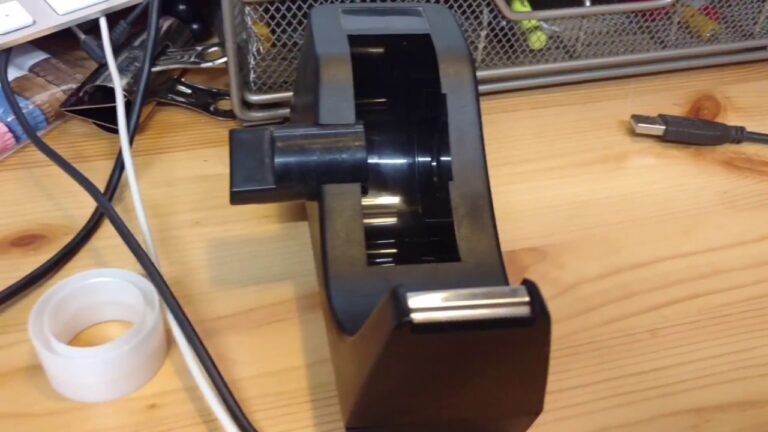
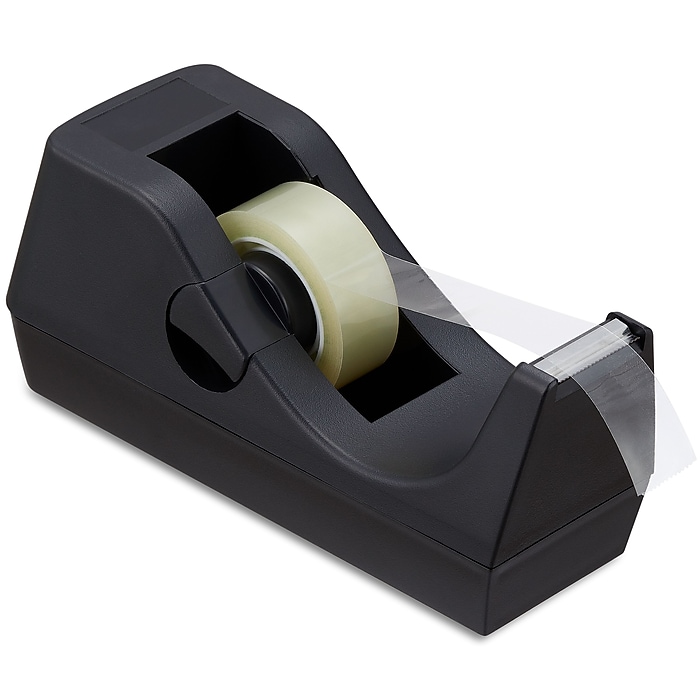
A desktop tape dispenser is a small, weighted tool for offices, classrooms, homes, and craft tables. It often uses a short roll of clear office tape, masking tape, or decorative tape.
The weighted base lets you pull tape with one hand. Non-slip feet keep the unit in place. A desktop tape dispenser is useful when you need short strips many times during the day.
Handheld Tape Dispensers
A handheld tape dispenser fits in one hand. It may have a compact frame, a handle, and a small cutter. Handheld models are useful for crafts, labeling, repairs, and light packaging.
They are easy to move from one work area to another. However, a small handheld model may not support a large or heavy tape roll.
Packing Tape Dispensers
A packing tape dispenser is built for carton sealing. It normally supports wide pressure-sensitive packing tape, often around 2 inches wide.
Most packing tape dispensers have a roller that presses tape onto cardboard. They also use a blade that cuts the tape after the user seals the box.
Tape Guns
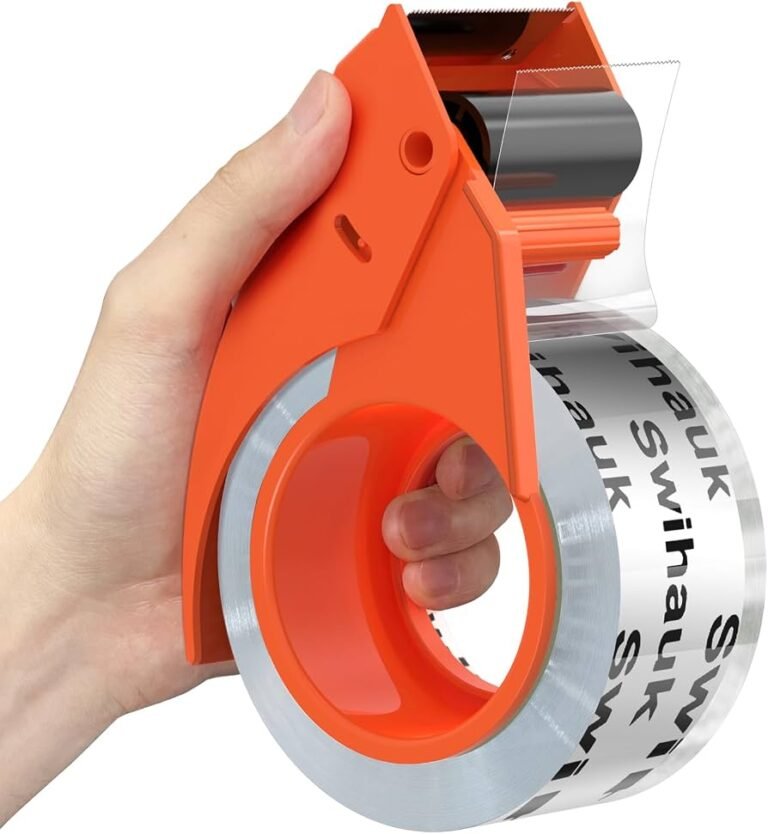
A tape gun is a type of handheld packing tape dispenser. It has a pistol-style handle and a curved frame. The user pulls the tape across a box, presses the roller against the surface, and tilts the tool to cut the tape.
Tape guns are popular for moving, shipping, and small business packaging. They are fast and easy to use after a little practice.
Industrial Tape Dispensers
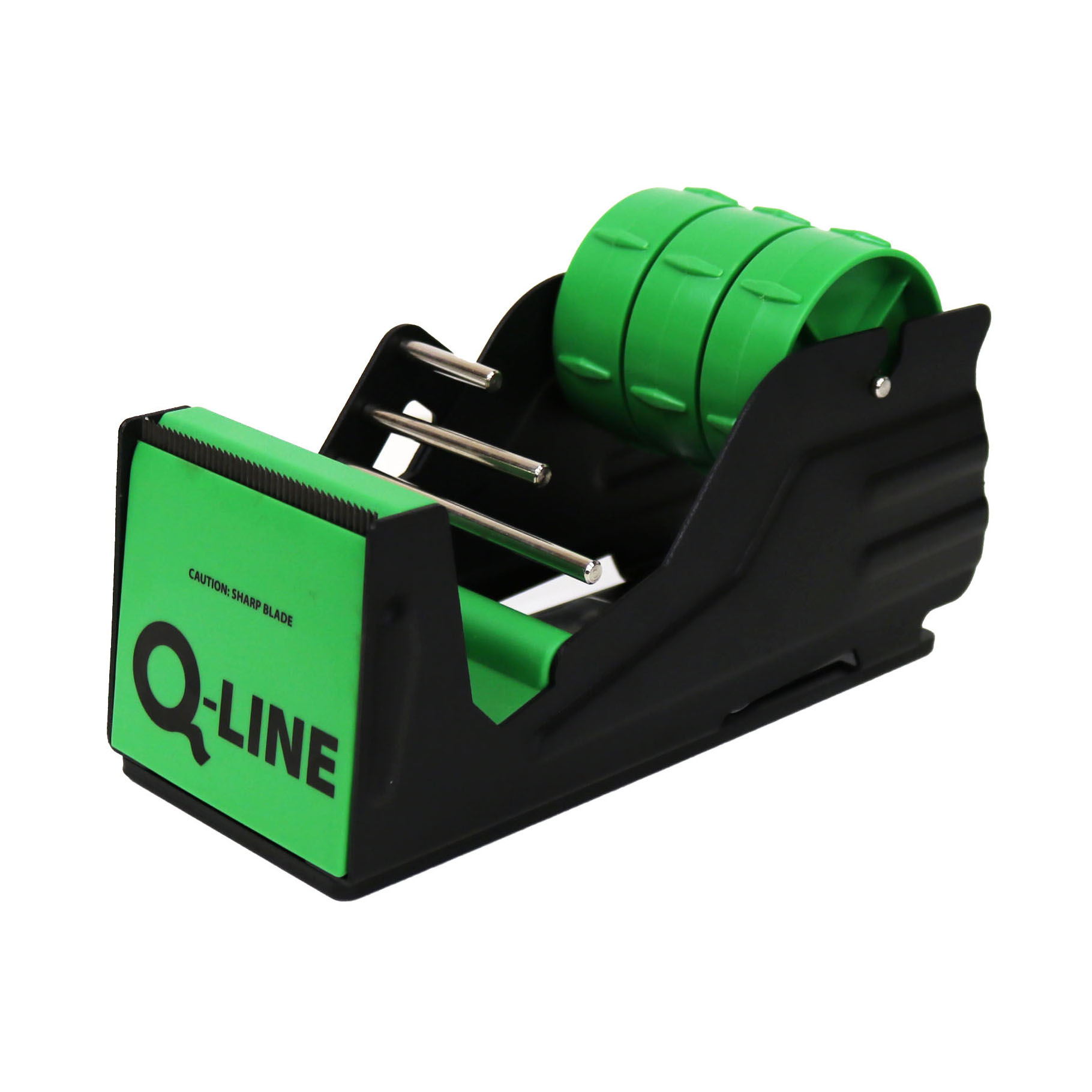
An industrial tape dispenser is made for high use. It may have a steel frame, strong bearings, adjustable tension, and a replaceable cutter.
Industrial models support demanding work in manufacturing, warehouse packaging, and carton sealing. They are usually heavier and cost more than home models, but they can last much longer.
Automatic Tape Dispensers
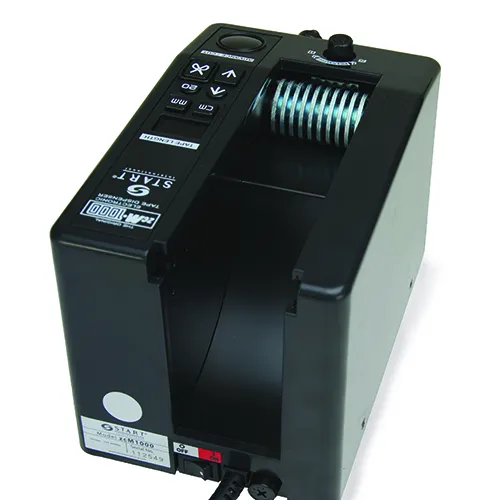
An automatic tape dispenser feeds a set length of tape at the touch of a button. Some models use a sensor. Others use a foot pedal or control panel.
An automatic tape dispenser is useful when workers need many equal strips. It can improve speed and reduce waste. Some machines are also called electric tape dispensers.
Specialty Tape Dispensers
Specialty models are made for a specific tape or task. Examples include:
- Double-sided tape dispensers
- Foam tape dispensers
- Filament tape dispensers
- Kraft paper tape dispensers
- Medical tape dispensers
- Label tape dispensers
- Water-activated tape machines
- Narrow tape dispensers for electronics
These tools may use special rollers, guides, or blades to suit the tape material.
How to Choose the Right Tape Dispenser
The best tape dispenser is not always the largest or most expensive model. Start with the tape roll and the job. Then check comfort, safety, and expected workload.
Consider the Tape Width
Measure the tape width before buying. Common packing tape is about 2 inches wide, while office tape may be much narrower.
A dispenser with a narrow guide may pinch wide tape. A guide that is too wide may let the tape move from side to side. Adjustable tape guides are useful when you use more than one width.
Check the Tape Roll Size
Look at the roll diameter and core diameter. The core is the hole in the center of the tape roll. A dispenser must have a spindle that fits this hole.
Also check the outside diameter. A large shipping roll may not fit a small desktop dispenser. Product listings should state the supported roll size.
Match the Dispenser to the Tape Material
Tape materials behave in different ways. Thin office tape needs a light cutter. Thick filament tape needs a strong blade. Foam tape may need a smooth guide to prevent stretching.
Check whether the dispenser supports pressure-sensitive tape, duct tape, kraft tape, or double-sided tape. Never assume that one model works well with every material.
Consider How Often You Use It
For occasional home use, a basic dispenser may be enough. For daily shipping, choose a durable packing tape dispenser with good tension control.
High workloads call for strong parts and an ergonomic handle. If workers use the tool for hours, comfort matters as much as cutting power.
Look at Blade Design
A sharp serrated blade should cut tape with light pressure. Some blades are fixed. Others are replaceable.
A covered blade can improve safety. A metal blade may last longer than a thin plastic cutter. Check the replacement process before you buy.
Think About One-Handed Operation
One-handed use is helpful when you hold a box with the other hand. A weighted desktop dispenser should stay still. A tape gun should have a balanced handle and a smooth roller.
If the tool slips, twists, or needs too much force, it may slow work and cause hand fatigue.
What Is the Best Tape Dispenser for Packing Boxes?
The best tape dispenser for packing boxes is usually a sturdy tape gun or carton sealing dispenser. It should support the correct packing tape width and roll size. It should also have a smooth roller, adjustable tension, and a sharp cutter.
For light home packing, a standard tape gun is often enough. For daily shipping, choose a heavy-duty model with a metal frame and replaceable parts.
Features to Look For
Useful packing features include:
- A comfortable handle
- Adjustable tape tension
- A strong roller
- A sharp serrated cutter
- A metal or reinforced frame
- A tape brake
- A guide that keeps tape straight
- A protected blade
- Support for large tape rolls
- Replaceable cutter parts
These features help prevent tape wrinkling, uneven cutting, and wasted tape.
Heavy-Duty vs Standard Packing Tape Dispensers
A standard packing tape dispenser is light and affordable. It suits home use, occasional moving, and low-volume shipping.
A heavy-duty model costs more but handles repeated use. It is less likely to bend, jam, or lose tension. Choose heavy-duty construction when the dispenser will be used every day.
Tape Gun for Moving Boxes
A tape gun is a practical tool for moving. It lets you seal box bottoms and tops with long, even strips. The handle also keeps your hand away from the cutting blade.
For moving, look for a simple model with a smooth roller. You may not need advanced tension control unless you are sealing many boxes.
Tape Dispenser for E-Commerce Shipping
E-commerce sellers often need speed and consistent seals. A tape gun works well for low or medium order volume. An automatic tape dispenser may be better when every package needs several equal strips.
Choose a model that works with your preferred packing tape. If you use recycled kraft tape or reinforced filament tape, confirm compatibility first.
Tape Dispenser for Warehouse Packaging
Warehouses need tools that can handle long shifts. A commercial packing tape dispenser should have a durable frame, comfortable handle, and replaceable cutter.
For very high volume, consider an electric tape dispenser or an integrated carton sealing machine. These tools can improve output and reduce repeated hand motion.
How to Use a Tape Dispenser Correctly
Correct use helps the tool work smoothly and protects the tape from damage. Keep the tape aligned with the guide. Use steady pressure instead of sudden pulls.
Do not force tape through a dull cutter. Excess force can damage the blade, stretch the tape, or strain your hand.
How to Load a Tape Dispenser
Use these steps:
- Place the tape roll on the spindle.
- Make sure the adhesive side faces the correct direction.
- Pull the tape from the bottom or front, as shown in the tool design.
- Feed it under or over the roller.
- Pass it near the cutter without pressing it into the blade.
- Pull out a short starter piece.
- Test the dispenser before sealing a box.
If the tape comes out backward, remove the roll and reload it. The adhesive side should touch the box, not the dispenser frame.
How to Apply Tape Without Wrinkles
Start with the tape end flat on the box. Keep the dispenser level and pull it in a straight line. Let the roller press the tape as you move.
Do not pull the tape at a sharp angle. Also avoid stretching it too much. A smooth, slow motion helps prevent bubbles and wrinkles.
How to Cut Tape Cleanly
To cut tape, keep the tape under light tension. Angle the dispenser so the cutter meets the tape. Use a short, firm motion.
Do not saw back and forth unless the tool requires it. A sharp blade should cut through the tape with little effort.
How to Seal a Cardboard Box With a Tape Gun
First, fold the box flaps so they meet at the center. Start at one end and press the tape onto the cardboard.
Pull the tape gun along the seam. Keep the roller on the box. At the far end, tilt or press the cutter into the tape. Add tape to the bottom seam if the box is heavy.
Tape Dispenser Problems and How to Fix Them
Most tape dispenser problems come from incorrect loading, adhesive buildup, poor tape quality, or a worn cutter. Check the tape path before replacing the whole tool.
Tape Dispenser Not Cutting Tape
A dull or blocked blade is the most common cause. Clean away adhesive and inspect the teeth. If the blade is worn, replace it if the model allows replacement.
Also check that the tape reaches the cutter at the correct angle. A loose tape roll can make cutting uneven.
Tape Keeps Sticking to the Dispenser
Adhesive buildup may collect on the roller, guide, or blade. Remove the tape roll and clean the affected area with a suitable cleaner.
Use care with solvents. Some cleaners can damage plastic. Test a small hidden area first.
Tape Tears Unevenly
Uneven tearing may come from a dull blade or too much tension. Reduce the tension and pull the tape straight.
A damaged tape roll can also cause poor tearing. Replace rolls with crushed edges or folded layers.
Tape Keeps Unrolling
The brake may be too loose. Increase tension if the dispenser has an adjustment. Also check that the roll sits firmly on the spindle.
When you finish, press the tape end against the dispenser or use a built-in hold point.
Tape Gets Wrinkled
Wrinkling can result from a crooked tape guide, uneven pulling, or a rough roller. Clean the roller and make sure the roll is centered.
Apply tape in a straight line with steady pressure. Do not twist the handle as you work.
Tape Dispenser Feels Hard to Pull
High tension, a jammed roller, or a large roll can make pulling difficult. Lower the tension and check for debris around moving parts.
If the roller does not turn freely, clean it. Replace bent or damaged parts.
Tape Won’t Stick to the Box
Poor adhesion may come from dust, moisture, cold conditions, or a weak tape adhesive. Wipe the box surface before sealing it.
Press the tape firmly with the roller. If the cardboard is rough or recycled, use a tape made for that surface.
Manual vs Automatic Tape Dispensers
Manual and automatic tape dispensers both have a place in packaging. The right choice depends on speed, budget, and control.
Manual Tape Dispenser Advantages
Manual models are simple and easy to move. They do not need power, software, or setup. They also cost less and are easy to replace.
A manual tape gun gives direct control. You can choose the tape length as you work. This is useful for mixed box sizes.
Automatic Tape Dispenser Advantages
Automatic models can feed equal lengths with high speed. They reduce repeated pulling and can improve consistency.
An automatic tape dispenser is useful in manufacturing, shipping rooms, and warehouses. It may also reduce tape waste when workers use preset lengths.
Manual vs Automatic: Which Should You Buy?
Choose manual if you pack only a few boxes, need a portable tool, or want a low-cost option. Choose automatic if you use tape for many hours or need repeatable lengths.
Consider the total cost. An automatic machine costs more at first, but it may save labor and material over time.
Tape Dispenser vs Tape Gun: What’s the Difference?
“ Tape dispenser” is a broad term. It includes desktop, handheld, automatic, and industrial tools. A tape gun is one specific type of handheld dispenser.
Tape Dispenser vs Tape Gun Comparison
| Feature | General Tape Dispenser | Tape Gun |
|---|---|---|
| Main use | Office, crafts, packing, or industry | Packing boxes |
| Shape | Many designs | Pistol-style handle |
| Tape size | Narrow or wide | Usually packing tape |
| Operation | Desk, hand, or machine | Handheld |
| Best for | Varied tasks | Fast carton sealing |
When a Tape Gun Is Better
A tape gun is better for moving, shipping, and box sealing. It lets you apply and cut tape in one motion.
When a Desktop Dispenser Is Better
A desktop dispenser is better for short tape strips. It suits offices, schools, gift wrapping, and crafts. Its weighted base makes one-handed use easy.
Tape Dispenser Safety Tips
Tape dispensers are simple tools, but their cutters can be sharp. Use the tool on a stable surface and keep fingers away from the blade.
Store the dispenser where children cannot reach it. Do not carry an open cutter in a pocket or bag.
How to Handle Serrated Blades Safely
Hold the tool by its handle or base. Never touch the teeth to test sharpness. When cleaning the blade, use a cloth or brush instead of your fingers.
If a blade is loose, stop using the tool. A loose cutter can cause a sudden tear or injury.
Safe Tape Cutting Technique
Keep the tape under control. Cut away from your body and avoid placing a hand behind the blade.
Use the least force needed. If the cutter needs hard pressure, inspect it for adhesive buildup or damage.
Replacing a Tape Dispenser Blade
Follow the maker’s instructions. Unplug an electric tape dispenser before service. Wear cut-resistant gloves if the replacement process exposes a sharp blade.
Use the correct replacement part. A blade that does not fit securely can cause uneven cutting.
Automatic Dispenser Safety
Keep hands away from the feed path. Do not reach inside while the machine is running. Unplug the unit before clearing a jam.
Place the machine on a stable, dry surface. Keep cords away from wet areas and moving equipment.
How to Maintain a Tape Dispenser
Basic care can extend the life of a tape dispenser. Clean it often, especially when using strong adhesive or dusty cardboard.
Check the tool before each busy work session. Small issues are easier to fix before they stop production.
Cleaning Adhesive Residue
Remove the tape roll first. Wipe adhesive from the frame, guide, and cutter with a soft cloth.
Use a cleaner that is safe for the tool’s material. Avoid soaking the unit, especially if it contains metal bearings or electrical parts.
Cleaning the Roller
A dirty roller can cause tape wrinkling and poor adhesion. Turn it by hand while wiping its surface.
Remove bits of paper and dried glue. Make sure the roller turns freely after cleaning.
Checking the Cutter
Look for bent teeth, rust, glue, or a dull edge. A damaged cutter can cause tape tearing and uneven cutting.
Replace the blade when cleaning no longer restores clean cuts.
Checking Roll Tension
Pull a short piece of tape and note the resistance. If the roll spins too freely, increase tension. If it feels hard to pull, reduce tension.
Correct tension should give control without stretching the tape.
When to Replace a Tape Dispenser
Replace the tool when the frame is cracked, the spindle is bent, or the cutter cannot be secured. A worn tool can waste tape and slow work.
For a high-use business, compare repair cost with replacement cost. A new industrial tape dispenser may be more reliable than repeated repairs.
Common Tape Dispenser Features Explained
Features can improve comfort, speed, and accuracy. Still, not every user needs every feature.
Adjustable Tension
Tension control changes how much force is needed to pull tape. It is useful when you use different roll sizes or tape materials.
Weighted Base
A weighted base keeps a desktop tape dispenser stable. It supports one-handed use and helps stop the tool from sliding.
Ergonomic Handle
An ergonomic handle fits the hand and spreads pressure across the fingers. This matters during long packing sessions.
Replaceable Cutter
A replaceable cutter can extend tool life. It is especially helpful for warehouses and shipping teams.
Adjustable Tape Guides
Tape guides keep the roll centered. Adjustable guides allow one dispenser to support more than one tape width.
Non-Slip Feet
Non-slip feet protect the work surface and improve control. They are useful on smooth desks and packing tables.
Automatic Length Control
Automatic length control feeds a preset amount of tape. It is useful when every carton needs the same strip length.
What Types of Tape Can You Use With a Tape Dispenser?
The tape and dispenser must match. Check the tape width, roll diameter, core diameter, thickness, and adhesive strength.
Packing Tape
Packing tape is the most common choice for boxes. It is usually clear or brown and uses pressure-sensitive adhesive.
Masking Tape
Masking tape works well in some desktop and craft dispensers. Its paper backing cuts easily.
Duct Tape
Duct tape is thick and strong. Use it only in a dispenser with enough clearance and a cutter made for heavy tape.
Double-Sided Tape
Double-sided tape can be used with specialty dispensers. The tool must prevent the adhesive sides from sticking to the wrong parts.
Kraft Paper Tape
Kraft tape is easy to tear in some dispensers. Reinforced kraft tape may need a stronger cutter.
Filament Tape
Filament tape contains strong fibers. It requires a sharp, durable cutter and a frame that can handle high tension.
Foam Tape
Foam tape is thick and may compress as it passes through a guide. Choose a dispenser with enough space and a smooth path.
Electrical Tape
Electrical tape is flexible and stretchy. A small handheld dispenser may work, but the tool must not pull it too tightly.
Tape Dispensers for Different Jobs
The ideal model changes with the setting. A tool for home use may not survive a warehouse shift.
Best Tape Dispenser for Home Use
Choose a compact desktop or handheld model. A simple tool is enough for repairs, gifts, storage boxes, and small projects.
Best Tape Dispenser for Office Use
A weighted desktop tape dispenser is usually best. It should support clear office tape and have a stable base.
Best Tape Dispenser for Crafts
Crafters may need a narrow dispenser for masking tape, double-sided tape, or foam tape. A clean cutter and smooth guide are important.
Best Tape Dispenser for Moving
A standard tape gun is a strong choice. Look for a comfortable handle and a roller that applies tape without bubbles.
Best Tape Dispenser for Shipping
For regular shipping, choose a durable packing tape dispenser. For high order volume, an automatic or electric model may save time.
Best Tape Dispenser for Small Businesses
A small business should balance price and workload. A heavy-duty tape gun suits moderate use. A powered dispenser suits repeated, standard-size packing.
Best Tape Dispenser for Warehouses
Warehouses need durable parts, safe blade design, and easy maintenance. Replaceable cutters and adjustable tension are valuable.
Best Tape Dispenser for Industrial Applications
Industrial applications may need a machine that integrates with a packing line. Choose an industrial tape dispenser based on tape material, speed, box size, and service support.
How Much Does a Tape Dispenser Cost?
Prices vary by design, material, and features. A basic tool can cost only a few dollars. Heavy-duty and automatic models may cost much more.
Budget Tape Dispensers
Budget dispensers suit occasional use. They may use more plastic and have fixed guides. They work well when the tape roll is light and the workload is low.
Mid-Range Tape Dispensers
Mid-range models often add a metal frame, better roller, improved tension, and a stronger blade. They are a good fit for home businesses and regular shipping.
Heavy-Duty Tape Dispensers
Heavy-duty tools cost more because they use stronger parts. They are designed for repeated use and may include replaceable components.
Automatic Tape Dispensers
Automatic units cost the most among common dispensers. The price reflects motors, sensors, control systems, and added safety parts.
What Makes a Tape Dispenser More Expensive?
Cost may rise with:
- Metal construction
- Larger roll capacity
- Adjustable tension
- Automatic length control
- Replaceable cutters
- Better ergonomics
- Safety guards
- Electric feed systems
- Warranty and service support
A higher price is worthwhile only when the feature solves a real problem.
How to Buy a Tape Dispenser Online
Online listings can make similar tools look identical. Read the specifications before focusing on the price or photos.
Check Tape Compatibility
Confirm tape width, roll diameter, core diameter, and tape thickness. Check whether the model supports packing tape, duct tape, kraft tape, or another material.
Check Product Dimensions
Measure your work area. A large industrial dispenser may not fit a small desk. Also check the handle size and total tool weight.
Read Reviews for Real-World Problems
Look for comments about dull blades, tape sticking, weak frames, poor tension, and difficult loading. Reviews often reveal problems that product photos hide.
Look for Replacement Parts
Check whether the maker sells cutters, rollers, spindles, or tension parts. Replacement parts can extend the life of a good tool.
Check Warranty Information
A warranty can protect you from early failure. Read what it covers and whether commercial use is included.
Avoid Common Buying Mistakes
Do not buy a dispenser without checking the tape roll size. Do not choose a narrow guide for wide tape. Also avoid the cheapest tool when workers will use it all day.
Frequently Asked Questions About Tape Dispensers
What Is a Tape Dispenser Used For?
A tape dispenser holds, guides, and cuts tape. It is used for packaging, shipping, office work, crafts, moving, manufacturing, and repairs.
What Is the Difference Between a Tape Dispenser and a Tape Gun?
A tape gun is a handheld packing tape dispenser with a pistol-style handle. Tape dispenser is the wider term for desktop, handheld, automatic, and industrial models.
Can One Tape Dispenser Fit Different Tape Widths?
Some can. Look for adjustable tape guides and a wide enough roller. Always check the supported width range before buying.
Can You Use Duct Tape in a Tape Dispenser?
You can use duct tape only if the dispenser has enough clearance and a suitable cutter. A standard office dispenser may jam or fail to cut it.
What Tape Dispenser Is Best for Packing Boxes?
A packing tape dispenser or tape gun is best for most boxes. Choose a heavy-duty model for frequent use and an automatic model for high-volume packing.
Are Tape Guns Worth It?
Yes, if you seal boxes often. They combine tape application and cutting in one tool, which makes packing faster.
How Do You Load a Tape Dispenser?
Place the roll on the spindle with the adhesive side facing the correct direction. Feed the tape through the guide or roller, then pull out a short starter piece.
Why Does My Tape Dispenser Not Cut Properly?
The blade may be dull, dirty, or loaded at the wrong angle. Clean the cutter, check the tape path, and replace the blade if needed.
How Do You Clean Adhesive From a Tape Dispenser?
Remove the roll and wipe residue with a soft cloth and a cleaner safe for the tool. Avoid harsh chemicals on plastic or painted surfaces.
Can Tape Dispensers Be Used for Double-Sided Tape?
Yes, but a specialty dispenser is often best. It should keep the adhesive from touching the guide, roller, or frame.
Are Automatic Tape Dispensers Worth Buying?
They can be worth buying for high-volume work or repeated tape lengths. For occasional packing, a manual dispenser is usually more practical.
How Long Does a Tape Dispenser Last?
A basic dispenser may last for years with light use. A well-made industrial model can last much longer when cleaned and maintained.
Final Buying Checklist for a Tape Dispenser
Use this list before you buy:
- What tape will you use?
- What is the tape width?
- What are the roll and core diameters?
- Is the tool for home, office, shipping, or industry?
- Do you need one-handed operation?
- Is the handle comfortable?
- Does it have adjustable tension?
- Is the cutter sharp and safe?
- Can you replace the cutter?
- Does the roller turn smoothly?
- Will the base stay stable?
- Is the tool easy to load?
- Are replacement parts available?
- Does the warranty cover your use?
- Is automatic feeding worth the added cost?
A good tape dispenser should feel like a natural extension of your hand. It should guide the tape, cut it cleanly, and reduce effort rather than add to it. Match the tool to the tape and workload, and even a small investment can make packaging, office work, and daily tasks much easier.
Tape Dispenser Buying Checklist
For light tasks, choose a simple desktop or handheld dispenser. For boxes, select a packing tape dispenser or tape gun. For repeated commercial work, consider a heavy-duty or automatic tape dispenser.
Always check tape width, roll size, core size, ergonomics, durability, safety, and spare parts. These details matter more than a bright product photo or a very low price.
Related Tape Dispenser Guides
Useful future guides can cover:
- Tape dispenser types
- Tape dispenser comparisons
- Tape dispenser problems
- Tape gun loading instructions
- Automatic tape dispenser maintenance
- Packing tape selection
- Carton sealing methods
- Warehouse packaging tools
- Double-sided tape dispensers
- Industrial tape cutting equipment
A well-chosen tape dispenser saves tape, time, and effort. Whether you are sealing one box or thousands, the right tool keeps the job clean, steady, and safe.